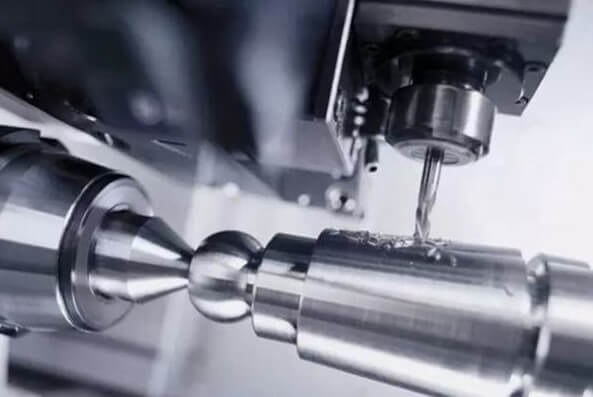

CNC precision machining has revolutionized the manufacturing industry, providing unparalleled accuracy, consistency, and flexibility. Whether it’s for creating intricate custom parts or developing prototypes, CNC precision machining has become an essential tool for engineers, designers, and manufacturers worldwide. This article explores how CNC precision machining supports custom part fabrication and prototyping, its advantages, and why it has become a cornerstone in modern manufacturing.
Understanding CNC Precision Machining
CNC precision machining, or Computer Numerical Control machining, is a manufacturing process where computer-controlled machines perform a variety of tasks such as cutting, drilling, milling, and turning. The machines follow precise instructions programmed via CAD (Computer-Aided Design) or CAM (Computer-Aided Manufacturing) software, ensuring consistent results with minimal human intervention. This precision is especially valuable when creating custom parts or prototypes that require exact dimensions, complex geometries, and high-quality finishes.
Unlike traditional manual machining, CNC precision machining reduces the risk of human error, provides repeatable results, and allows for more complex designs that would be difficult or impossible to achieve manually. From aerospace components to medical devices, the accuracy and efficiency of CNC machining make it an ideal choice for both one-off prototypes and low-volume production runs.
Benefits of CNC Precision Machining for Custom Parts
Custom parts often have unique specifications that standard manufacturing processes cannot accommodate. CNC precision machining offers several advantages for custom part fabrication:
High Accuracy and Consistency
One of the primary benefits of CNC precision machining is its ability to produce parts with tight tolerances. This is crucial for industries such as aerospace, automotive, and medical devices, where even minor deviations can compromise performance or safety. CNC machines can maintain tolerances as precise as a few thousandths of an inch, ensuring that every part meets exact specifications.
Flexibility in Design
CNC precision machining allows manufacturers to work with a wide range of materials, including metals, plastics, composites, and more. Complex geometries, intricate patterns, and detailed features can be machined with ease, giving designers and engineers more freedom to innovate. This flexibility makes it easier to create parts that meet unique functional and aesthetic requirements.
Efficient Production
Even for custom parts, CNC precision machining is highly efficient. Once a program is created, the machine can produce multiple identical components quickly and accurately. This reduces lead times, lowers labor costs, and minimizes the risk of material waste. For small-batch production, CNC machining offers a cost-effective solution without compromising quality.
Rapid Prototyping
Prototyping is a critical stage in product development. CNC precision machining enables rapid prototyping by allowing designers to produce functional prototypes quickly. These prototypes can be tested, modified, and refined before committing to full-scale production. The speed and accuracy of CNC machining accelerate product development cycles, helping companies bring products to market faster.
CNC Precision Machining in the Prototyping Process
Prototyping requires a balance of speed, precision, and flexibility. CNC precision machining excels in all these areas, making it an ideal choice for developing prototypes.
From Concept to Physical Model
CNC machining can transform digital designs into tangible parts with exact dimensions. Designers can use CAD software to create 3D models, which are then converted into machine code for CNC equipment. This seamless transition from concept to physical prototype reduces errors, ensures accuracy, and enables rapid iteration.
Testing and Validation
Prototypes produced through CNC precision machining can be fully functional, allowing engineers to test performance, fit, and assembly. Any design flaws or required adjustments can be identified early, reducing the risk of costly errors in mass production. By providing precise, high-quality prototypes, CNC machining enhances the reliability of the testing and validation process.
Material Selection
CNC machining offers a wide choice of materials for prototyping, including aluminum, steel, titanium, plastics, and composites. This allows engineers to test different materials for strength, durability, weight, and cost before final production. The ability to use the same materials in prototypes and final parts ensures more accurate performance testing.
Iterative Design
Rapid iteration is a key advantage of CNC precision machining. Modifications to the design can be quickly incorporated into the CAD model, and new prototypes can be produced without lengthy retooling or setup changes. This iterative process encourages innovation and allows for optimization of part performance and manufacturability.
Applications of CNC Precision Machining for Custom Parts
The versatility of CNC precision machining makes it suitable for a wide range of industries and applications:
Aerospace and Defense
In aerospace, components must meet strict standards for strength, weight, and precision. CNC machining can produce turbine blades, structural components, and precision fittings that comply with these demanding specifications. Prototypes allow engineers to test aerodynamic performance and structural integrity before full-scale manufacturing.
Automotive Industry
Custom parts for automotive applications, such as engine components, transmission parts, and custom body fittings, benefit from CNC precision machining. Rapid prototyping helps manufacturers experiment with new designs, improve performance, and reduce development time for innovative vehicles.
Medical Devices
Medical equipment and implants require extreme precision and biocompatibility. CNC precision machining enables the production of custom surgical tools, prosthetics, and implants with highly accurate dimensions and smooth finishes, essential for patient safety and comfort.
Electronics and Technology
Precision components for electronics, robotics, and advanced machinery often require intricate designs and tight tolerances. CNC machining ensures reliable performance, helping technology companies maintain high standards in product development and production.
Choosing a CNC Precision Machining Partner
Selecting the right CNC precision machining partner is critical for successful custom parts and prototyping. Consider factors such as:
- Experience with your specific industry or application
- Capabilities in working with diverse materials and complex geometries
- Access to advanced CNC equipment and software
- Quality assurance processes and certifications
- Ability to handle both prototypes and low-volume production
A reliable partner can provide valuable insights during the design stage, suggest material alternatives, and optimize the machining process to reduce cost and improve quality.
Future of CNC Precision Machining in Custom Parts and Prototyping
The future of CNC precision machining is closely tied to advancements in automation, AI, and materials science. Smart CNC machines with AI-driven optimization can further reduce production time, improve accuracy, and allow for more complex designs. Additionally, new materials and hybrid manufacturing techniques, such as combining CNC machining with 3D printing, are expanding possibilities for prototyping and custom part production.
Conclusion
CNC precision machining has become indispensable for producing custom parts and prototypes. Its combination of accuracy, flexibility, efficiency, and speed makes it ideal for a wide range of industries, from aerospace to medical devices. By enabling rapid prototyping, iterative design, and precise fabrication, CNC precision machining supports innovation and accelerates product development. As technology continues to evolve, CNC machining will remain at the forefront of modern manufacturing, helping companies create high-quality, custom-engineered solutions with unmatched precision.
CNC precision machining is not just a manufacturing process—it is a powerful tool for innovation, allowing designers and engineers to transform ideas into functional, precise, and high-quality parts.