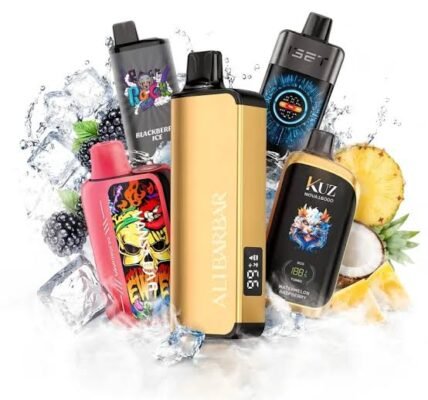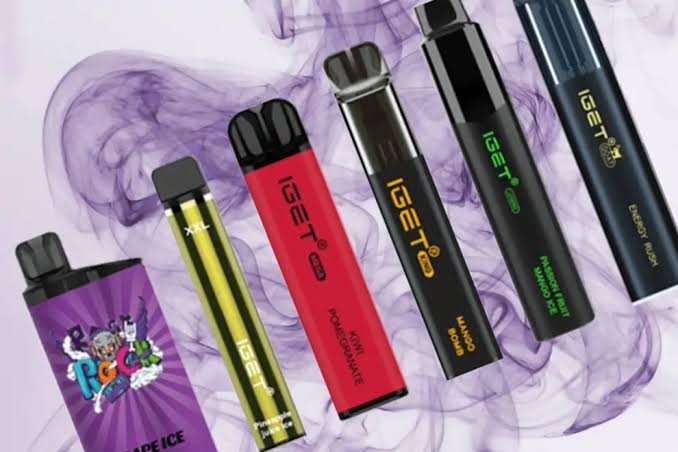

Vaping has become an important public health topic in Australia, particularly because of concerns about nicotine dependence, youth access, and the rapid growth of disposable vapes australia and electronic vaping products. Rather than viewing vapes simply as consumer products, it is important to understand how they are regulated, why access is restricted, and what health considerations surround their use.
Understanding Vaping Products
A vape is an electronic device that heats a liquid or other substance to produce an aerosol that the user inhales. Products can contain nicotine as well as other ingredients. Devices can vary in their design, but Australian regulations apply broadly to vaping devices, accessories, and vaping substances.
Nicotine is addictive, and young people can be particularly vulnerable to developing nicotine dependence. For this reason, Australian governments have introduced regulations intended to reduce youth access and limit vaping products to therapeutic purposes.
Vape Laws in Australia
Australia has introduced a national regulatory framework covering the importation, manufacture, supply, possession in commercial settings, and advertising of vaping products. Under the current framework, vapes can only lawfully be supplied for therapeutic purposes through pharmacies and pharmacy settings. Other retailers, including tobacconists, vape shops, and convenience stores, cannot legally sell vapes.
The rules also apply to products that do not contain nicotine. This means that simply describing a product as nicotine-free does not place it outside the regulatory framework.
Access Through Pharmacies
For adults aged 18 and over, certain therapeutic vapes containing no more than 20 mg/mL of nicotine may be supplied without a prescription when specific requirements are met and where state or territory laws permit it. Customers must discuss the product and dosage with a pharmacist and discuss other options for quitting smoking or managing nicotine dependence.
Higher nicotine concentrations generally require a prescription. Additional requirements can also apply depending on the person’s circumstances and the laws of their state or territory.
People under 18 require a prescription where access is legally permitted, with medical supervision intended to ensure that treatment is appropriate.
Flavour and Packaging Restrictions
Australian regulations also restrict the presentation and flavouring of therapeutic vaping products. Permitted flavours include mint, menthol, and tobacco, while plain pharmaceutical-style packaging requirements are intended to reduce the appeal of products to young people.
These restrictions are part of a wider approach to tobacco and vaping control. Advertising and promotional activities involving vaping products are also subject to significant restrictions.
Importation Rules
People should also be aware that Australia’s rules extend beyond retail sales. Personal importation of vaping products from overseas is not generally permitted under the current framework. Importation of vaping goods is subject to licensing, permits, and other regulatory requirements. Products that do not meet applicable requirements can be seized at the border.
This makes it important to rely on official Australian government information rather than overseas websites when trying to understand what is legally available.
Health Considerations
Vaping should not be considered harmless. Vaping can expose users to nicotine and other substances, and nicotine dependence can develop through repeated use. The Australian Therapeutic Goods Administration also notes that therapeutic vapes are currently unapproved goods and have not been evaluated by the TGA for quality, safety, efficacy, or performance in the same way as products included on the Australian Register of Therapeutic Goods.
People considering vaping to quit smoking should discuss evidence-based options with a healthcare professional. Vaping is not recommended as a first-line treatment for smoking cessation or nicotine dependence by the TGA.
Why Regulation Matters
Australia’s vaping regulations aim to balance access to therapeutic products with protections for young people and the wider community. Restrictions on retail sales, advertising, packaging, flavours, nicotine concentrations, and imports are designed to reduce inappropriate access and limit the potential harms associated with nicotine dependence.
Because laws can change and state and territory requirements may differ, consumers should always check current information from Australian government health authorities.
Final Thoughts
Understanding vaping in Australia requires more than looking at different devices or flavours. The country’s current framework treats vaping products primarily as regulated therapeutic goods rather than ordinary retail products. Access, supply, advertising, imports, and product characteristics are all subject to legal controls.
For anyone concerned about nicotine use or looking for help quitting smoking or vaping, speaking with a doctor, nurse practitioner, pharmacist, or other qualified health professional is a safer starting point than relying on product marketing or unofficial websites.