
Introduction
Wearable technology has become an important part of everyday life, helping people monitor activity, understand sleep patterns, and keep track of general wellness. While smartwatches and fitness bands remain popular choices, smart rings are attracting attention because of their compact design, comfortable fit, and convenient tracking features. For people who want to explore wearable technology without spending too much, finding the best budget smart ring can be an excellent starting point.
Smart rings are designed to fit around a finger while collecting information through built-in sensors. Depending on the model, these devices may track heart rate, sleep duration, daily activity, blood oxygen estimates, and other wellness indicators. Some also connect to smartphone applications that display collected information in easy-to-understand charts and summaries.
However, not every affordable smart ring provides the same features, accuracy, battery performance, or overall experience. Some models focus primarily on basic activity tracking, while others offer more detailed sleep insights and continuous heart rate monitoring. Understanding these differences can help buyers choose a device that suits their needs and budget.
If you are searching for a budget smart ring with heart rate tracking, it is important to consider more than its initial price. Sensor performance, comfort, compatibility, battery life, app quality, privacy, and any additional subscription charges can all influence long-term value.
This guide explores the essential features to consider before purchasing an affordable smart ring, helping you make an informed decision without paying for features you may never use.
What Is a Smart Ring?
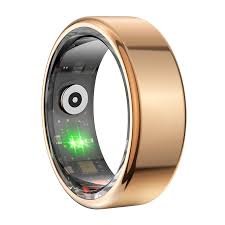
A smart ring is a small electronic wearable designed to collect selected health, fitness, and activity information. Unlike a traditional ring, it contains miniature electronic components, including sensors, a rechargeable battery, and wireless connectivity.
Most smart rings communicate with a compatible smartphone through Bluetooth. Their companion applications organize recorded information and present it through dashboards, graphs, and daily summaries.
Depending on the product, a smart ring may provide information about:
- Heart rate and resting heart rate.
- Sleep duration and estimated sleep stages.
- Daily movement and step counts.
- Activity levels and estimated calorie expenditure.
- Blood oxygen estimates.
- Skin temperature trends.
- Recovery and general wellness patterns.
Available features vary considerably between models. An inexpensive ring may offer only a few tracking functions, whereas a more advanced model might provide a wider selection of measurements.
Smart rings are especially appealing to people who prefer a lightweight wearable without a large screen. They can be worn during everyday activities, at work, while travelling, and during sleep, provided the manufacturer recommends those uses.
Nevertheless, these devices should be understood as wellness tools rather than replacements for professional medical equipment. Their readings can be affected by fit, movement, sensor design, skin characteristics, and other factors.
Why Consider the Best Budget Smart Ring?
Affordable smart rings make wearable technology accessible to buyers who do not want to invest in an expensive smartwatch or premium health-tracking device.
Their biggest advantage is convenience. A ring occupies little space, generally has no large display to distract the wearer, and can collect information throughout the day and night.
A Compact and Comfortable Design
One of the primary reasons people choose smart rings is their small form factor. Compared with many wrist-worn devices, a ring can feel less noticeable during work, studying, sleeping, and other routine activities.
A well-designed model should have smooth edges, a comfortable interior, and a weight that feels manageable during extended wear.
Comfort is particularly important for people who intend to monitor their sleep. A ring that feels uncomfortable after several hours may become inconvenient, regardless of how many features it offers.
Useful Everyday Tracking
Many buyers want straightforward information rather than an overwhelming collection of advanced metrics. A budget smart ring may provide enough information to help users notice patterns in their daily movement, sleeping habits, and general activity.
For example, reviewing sleep summaries over several weeks may help someone understand whether their sleeping schedule is consistent. Daily activity records can also make it easier to recognize periods of inactivity.
These insights are most useful when considered over time rather than treated as perfectly accurate measurements of every moment.
A Potentially Affordable Alternative
Smart rings can offer an alternative to more expensive wearable devices, particularly for people who do not need a screen, GPS navigation, or smartwatch notifications.
However, the lowest-priced option is not automatically the best value. A device with poor battery performance, unreliable connectivity, or a limited application may create more frustration than savings.
The goal should be to find a ring that provides the essential features you need at a reasonable total cost.
1. Heart Rate Tracking Capabilities
Heart rate monitoring is one of the most important features to evaluate when comparing affordable smart rings.
A budget smart ring with heart rate tracking typically uses optical sensors to estimate heart rate by detecting changes in light associated with blood flow beneath the skin. The device processes these signals and presents readings through its companion application.
Continuous and Periodic Monitoring
Some smart rings offer continuous or frequent heart rate monitoring, while others collect measurements at selected intervals or during specific activities.
Continuous monitoring can provide a broader picture of how heart rate changes throughout the day and night. Periodic measurements may use less power but offer less detailed information between readings.
Before buying, check the manufacturer’s specifications to understand how often the device measures heart rate and whether monitoring settings can be adjusted.
Resting Heart Rate Information
Resting heart rate is another useful metric available on some smart rings. Reviewing long-term trends may help users understand how this measurement changes with sleep, activity, stress, or general lifestyle patterns.
Individual readings naturally vary. A single measurement should not be used to draw conclusions about overall fitness or health.
Heart Rate Accuracy
Price alone does not establish the accuracy of a smart ring. Sensor quality, software processing, ring fit, skin contact, and movement can all affect readings.
Look for independent reviews that compare measurements with a suitable reference device under realistic conditions. Pay particular attention to whether performance changes during exercise, because movement can interfere with optical sensors.
If accurate heart rate measurements are essential for a medical reason, consult a qualified healthcare professional about an appropriate monitoring device.
2. Sleep Tracking and Overnight Comfort
Sleep tracking is another major reason buyers explore smart rings. Many models are designed to collect information overnight without requiring the wearer to look at a display.
Depending on the model, a ring may estimate total sleep time, periods of wakefulness, sleep stages, and overnight heart rate.
Sleep Duration and Consistency
Tracking sleep duration can help users identify patterns in their routines. For instance, an application may show differences between weekday and weekend sleep schedules.
Some applications also provide summaries of bedtime consistency and overnight movement. These features can encourage users to pay attention to their habits instead of relying entirely on how rested they feel after waking.
Understanding Sleep Stages
Certain smart rings estimate light, deep, and REM sleep. These classifications are generated using sensor signals and software algorithms, not direct observation of brain activity.
Consequently, sleep-stage results should be treated as estimates. They may be useful for exploring broad patterns, but they should not be considered definitive measurements of sleep quality.
Comfort During Sleep
A sleep-tracking ring should fit securely without pinching or causing discomfort. A model with bulky edges or an unsuitable shape may become distracting overnight.
Before purchasing, review the dimensions, weight, interior finish, and sizing recommendations. If overnight tracking is your main priority, comfort deserves as much attention as the number of features advertised.
3. Battery Life and Charging Convenience
Battery performance can make a substantial difference to the everyday experience of owning a smart ring.
Unlike some smartwatches, rings generally have limited physical space for a battery. Manufacturers therefore balance battery capacity against device size, sensor activity, and wireless connectivity.
Check the Advertised Battery Life
Affordable smart rings may advertise several days of use per charge, but actual performance depends on the model and its settings.
Frequent heart rate measurements, additional sensors, Bluetooth synchronization, and software features may affect battery consumption.
Compare the manufacturer’s estimate with independent reviews that describe normal daily use. It is also useful to determine whether the advertised figure assumes reduced monitoring or other battery-saving settings.
Charging Time and Charger Type
Examine how the ring charges before placing an order. Some products use a dedicated charging dock, while others include a proprietary charging accessory.
Check whether the charger is included, how long charging takes, and whether replacement accessories are available.
A convenient charging system makes it easier to maintain regular tracking without unnecessary interruptions.
Battery Degradation
Rechargeable batteries gradually lose capacity over time. Although a new ring may provide several days of use, its battery performance may change after extended ownership.
Review the warranty and support policy, especially if the battery cannot be replaced independently. A slightly more expensive product with dependable support may offer better long-term value than a cheaper device with limited service options.
4. Comfort, Sizing, and Build Quality
A smart ring must fit correctly to collect useful sensor readings and remain comfortable throughout the day.
Unlike adjustable wrist straps, most smart rings come in specific sizes. A size that is too loose may allow excessive movement, while a ring that is too tight may feel uncomfortable or become difficult to remove.
Use a Proper Sizing Process
Never assume that your usual jewellery size will match a smart ring’s sizing system. Differences in interior shape, width, and sensor placement can affect the fit.
If the manufacturer offers a sizing kit, use its instructions before ordering. Wear a sample ring for the recommended period and consider how your fingers feel at different times of the day.
Finger size can change with temperature and other normal conditions, so the ring should feel secure without excessive pressure.
Choose Suitable Materials
Affordable smart rings may use stainless steel, titanium-based materials, ceramic finishes, or other constructions depending on the manufacturer.
Look for information about the inner surface, coating durability, scratch resistance, and potential material sensitivities.
If you have a known sensitivity to a particular metal, review the complete material specifications rather than relying on general marketing descriptions.
Consider Everyday Durability
A ring may come into contact with desks, gym equipment, household surfaces, and other objects throughout the day.
Read reviews to learn whether the finish scratches easily and whether the device remains comfortable during normal activities.
If you perform weightlifting, manual work, or other activities involving strong pressure on the fingers, follow the manufacturer’s guidance about when to remove the ring. A rigid ring can create a safety risk if it becomes trapped or compressed.
5. Water Resistance and Daily Use
Water resistance can be useful for people who wash their hands frequently, encounter rain, or want to wear a smart ring during selected activities.
However, water resistance varies by product and should never be assumed from the device’s appearance.
Understand the Water-Resistance Rating
Look for the exact rating and the manufacturer’s explanation of what it permits. Resistance to splashes does not necessarily mean a device is suitable for swimming, showering, or prolonged immersion.
The same principle applies to charging accessories, which may have different water-resistance limitations from the ring itself.
Follow the instructions for cleaning, drying, and charging the device to help prevent avoidable damage.
Temperature and Environmental Limitations
Some manufacturers specify restrictions involving hot water, saunas, extreme temperatures, or particular cleaning products.
These limitations matter because a ring may be exposed to environmental conditions that exceed its tested operating range.
A clear, realistic durability specification is more useful than a broad waterproof marketing claim without supporting details.
6. Smartphone Compatibility and Companion App
The companion application is a central part of the smart ring experience. It converts sensor data into charts, summaries, and recommendations that users can review.
Even a well-built ring can be disappointing if its application is difficult to navigate or does not support your smartphone.
Check Android and iOS Compatibility
Before buying, confirm that the ring works with your phone’s operating system and supported software version.
Also review the minimum requirements, Bluetooth compatibility, account requirements, and any regional limitations.
Some products offer different functionality depending on the phone or operating system. Confirm that the features you need are available on your particular device.
Look for an Easy-to-Understand Dashboard
A useful application should make important information accessible without forcing users to navigate complicated menus.
Look for clearly presented heart rate readings, activity summaries, sleep information, and historical trends.
It can also be helpful to see whether the application explains its metrics in plain language. Detailed numbers have limited value if users cannot understand what they represent.
Synchronization and Data History
Check whether information synchronizes automatically and whether the application stores historical records.
Some applications may require the phone to connect regularly before all data becomes visible. Others may provide longer-term summaries or data exports.
If you plan to compare your activity over several months, data retention and synchronization reliability are worth checking before purchasing.
7. Activity Tracking and Fitness Features
Although smart rings are not always designed to replace dedicated sports watches, some provide useful information about daily movement and exercise.
Step Counting
Step tracking can help users monitor general activity throughout the day. However, the results may differ from those recorded by a phone, smartwatch, or other wearable.
Placement on the finger, hand movements, and the device’s algorithms can influence step estimates.
Treat the information as a convenient activity indicator rather than an exact record of every step.
Calorie Estimates
Some models estimate calories burned using activity information and other available measurements.
These figures are algorithmic estimates, not direct measurements of energy expenditure. They may vary substantially between devices and individuals.
For this reason, calorie estimates should be interpreted cautiously and should not be the sole basis for making decisions about food intake or exercise.
Workout Detection
Certain smart rings can recognize selected activities automatically or provide workout-related summaries.
Check which activities are supported and whether manual workout recording is available. Also determine whether the ring provides useful heart rate information during movement, when sensor readings may become less reliable.
People who need detailed workout statistics, live pace information, or built-in GPS may find that a dedicated fitness watch better suits their requirements.
8. Blood Oxygen and Temperature Features
Some smart rings advertise blood oxygen measurements and skin temperature tracking. These features can provide additional context, but their availability and practical usefulness depend on the specific device.
Blood Oxygen Estimates
Blood oxygen monitoring, often labelled SpO2, uses optical sensing technology to estimate oxygen saturation.
Not every budget smart ring includes this capability, and measurement availability may depend on whether the device is recording during sleep or at selected times.
Wearable estimates can be affected by movement, fit, circulation, and other conditions. They should not replace a clinically appropriate pulse oximeter or medical assessment when one is needed.
Skin Temperature Trends
Some devices measure changes in skin temperature rather than providing a direct measurement of core body temperature.
Long-term trends may be available in the companion application, but interpretation depends on the product’s design and algorithms.
Do not assume that a ring can reliably diagnose fever or illness simply because it displays temperature-related data.
When comparing products, distinguish between genuinely supported features and capabilities that appear only in promotional descriptions.
9. Price, Subscriptions, and Overall Value
The purchase price is an important consideration, but it is only one part of the overall cost.
A budget smart ring may include all its main features in the original price, while another device may require a paid subscription for advanced reports or historical analysis.
Check for Recurring Fees
Before purchasing, find out whether the application is free and whether essential tracking features require a subscription.
Questions worth asking include:
- Can you view heart rate and sleep summaries without paying monthly?
- Are advanced reports available only through a subscription?
- Is cloud storage included?
- Are there additional charges for certain application features?
- Will the ring continue to work if a subscription is cancelled?
These details help establish the actual cost of ownership.
Compare Features Rather Than Price Alone
The best budget smart ring is not necessarily the least expensive product available. Instead, compare the features that matter most to you.
For example, a person interested mainly in overnight heart rate trends may not need advanced workout detection. Someone who prioritizes sleep summaries may value a comfortable shape and reliable battery life more than a large collection of secondary metrics.
A simple comparison of essential features can prevent unnecessary spending.
10. Privacy and Personal Data Protection
Smart rings may collect sensitive personal information, including heart rate records, sleep patterns, activity information, and other wellness data.
Because these details are stored or processed through software, privacy should be part of the buying decision.
Review the Privacy Policy
Check what information the application collects, how it is used, and whether it is shared with third parties.
Review the manufacturer’s explanation of account security, data storage, and account deletion.
If the application requests permissions that seem unrelated to the device’s main functions, investigate why they are needed before granting access.
Understand Data Export and Deletion
Some users may want to retain personal records or move them to another platform in the future.
Check whether the application supports data exports and whether account deletion removes stored information according to the stated policy.
Clear privacy information and accessible account controls are valuable features, even when they are not mentioned prominently in product advertising.
11. Warranty, Customer Support, and Reliability
A low purchase price offers less value if the device stops working and the manufacturer provides little assistance.
Before buying, review the warranty period, return window, repair policy, and process for handling defective products.
Check whether customer support is available in your country and whether replacement charging accessories can be purchased separately.
Independent customer reviews can provide useful information about common problems, including battery deterioration, inaccurate readings, pairing failures, and application crashes.
Look for repeated patterns across multiple reviews rather than making a decision based on one unusually positive or negative comment.
It is also sensible to purchase from a reputable retailer that clearly explains delivery, returns, and warranty coverage.
12. How to Compare Affordable Smart Rings
Comparing several products becomes easier when you use a consistent set of criteria.
The following table provides a practical checklist for evaluating options.
| Feature | What to Check | Why It Matters |
|---|---|---|
| Heart rate tracking | Monitoring frequency and independent testing | Helps assess usefulness and reliability |
| Sleep tracking | Overnight comfort and available metrics | Supports consistent everyday use |
| Battery life | Realistic use time and charging duration | Reduces charging interruptions |
| Sizing | Available sizes and sizing instructions | Supports comfort and sensor contact |
| Water resistance | Exact rating and permitted activities | Helps avoid accidental damage |
| App compatibility | Supported phones and operating systems | Ensures the ring works with your device |
| Subscription | Essential features included in the price | Reveals the actual ownership cost |
| Privacy | Data collection and sharing policies | Helps protect personal information |
| Warranty | Coverage and customer support | Improves confidence in the purchase |
| Durability | Materials, finish, and user feedback | Helps assess long-term value |
No single specification determines whether a smart ring is suitable. The strongest choice is the model that performs well across your most important requirements.
13. Common Mistakes to Avoid When Buying a Smart Ring
Even a careful shopper can overlook important details when comparing affordable wearable devices.
Choosing Only by Price
A very inexpensive ring may look attractive, but the low initial cost may come with limited software support, short battery life, or missing features.
Compare the complete package before deciding.
Ignoring Ring Size
Ordering the wrong size can affect both comfort and sensor performance. Always check the manufacturer’s sizing instructions rather than assuming that conventional jewellery sizes will match.
Believing Every Health Claim
Marketing descriptions may use terms such as advanced health monitoring or intelligent wellness analysis. These phrases do not automatically establish clinical accuracy.
Review the actual specifications and look for independent testing where available.
Overlooking Application Costs
A device that requires recurring payments for essential information may become more expensive over time.
Check the subscription terms before completing the purchase.
Expecting Smartwatch Features
A smart ring may not include a screen, GPS, calls, messaging, or extensive workout controls.
Decide which functions are genuinely necessary before choosing between a ring, smartwatch, and fitness band.
14. Who Should Buy a Budget Smart Ring?
An affordable smart ring may suit people who want convenient access to basic wellness and activity information without wearing a larger device.
It may be a practical option for:
- People interested in general heart rate trends.
- Users who want to review sleep duration and consistency.
- Individuals who prefer discreet wearable technology.
- Buyers who want basic activity tracking.
- People who do not need smartwatch notifications or a large display.
- First-time wearable users who want to explore available features.
However, someone who needs highly detailed exercise statistics, dependable GPS tracking, or medically validated monitoring may benefit from a different type of device.
The right choice depends on the intended use, not simply the number of features listed on the product page.
15. Final Buying Checklist
Before purchasing the best budget smart ring for your needs, review the following questions.
- Does it provide the heart rate tracking you want?
- Does it offer useful sleep and activity information?
- Is the ring available in a suitable size?
- Is the material comfortable for extended wear?
- Does its battery last long enough for your routine?
- Is the charging system convenient?
- Does it support your smartphone?
- Are the main application features free?
- Is the water-resistance rating appropriate for your intended use?
- Are the privacy policy, warranty, and return terms clear?
If a product satisfies these requirements, it may be worth considering even if it does not offer every advanced feature available in more expensive models.
Conclusion
Choosing the best budget smart ring involves balancing affordability, comfort, tracking capabilities, and long-term reliability. Although inexpensive wearable devices can offer useful wellness information, their features and performance vary significantly between manufacturers and models.
Heart rate monitoring, sleep tracking, battery life, sizing, smartphone compatibility, and application quality should be among your main considerations. It is also important to examine subscription fees, water resistance, data privacy, warranty coverage, and independent product reviews before making a final decision.
For buyers seeking a budget smart ring with heart rate tracking, the most suitable option is one that provides understandable information, fits comfortably, and supports the features required for everyday use. You do not need to pay for every available function if a simpler device already meets your needs.
Take time to compare specifications, investigate real-world feedback, and confirm the total cost before ordering. By focusing on practical benefits instead of marketing claims, you can make a more confident purchase and find an affordable smart ring that fits your lifestyle and expectations.
