Why Professional Water Mitigation Services Are Essential After Water Damage

Water damage can happen unexpectedly and create serious problems for homeowners and business owners. Whether it results from a burst pipe, leaking appliance, heavy rainfall, flooding, or a plumbing failure, excess water can quickly affect different parts of a property. While some water-related issues may appear minor at first, hidden moisture water mitigation service can spread behind walls, beneath flooring, and into structural materials. Without proper attention, these problems can lead to expensive repairs, unpleasant odors, and mold growth. This is why professional water mitigation services are essential after water damage.
Water mitigation involves taking immediate steps to reduce the impact of water damage, remove excess moisture, and prevent further deterioration. Professional technicians use specialized equipment, proven techniques, and industry knowledge to restore affected areas safely and efficiently. Understanding the importance of professional water mitigation can help property owners make better decisions when dealing with unexpected water emergencies.
Understanding the Importance of Water Mitigation
Water mitigation is the process of controlling and reducing damage after unwanted water enters a building. The primary goal is to prevent an existing problem from becoming more serious. When water spreads throughout a property, it can affect walls, ceilings, floors, furniture, electrical systems, and other valuable belongings.
Professional mitigation specialists understand how water behaves and where moisture is likely to accumulate. They inspect affected areas, identify the source of the problem, and develop an appropriate restoration plan.
Acting quickly is especially important because water can continue damaging building materials even after the visible standing water has disappeared. Professional services help property owners address both visible and hidden moisture before additional complications develop.
1. Preventing Further Structural Damage
One of the biggest reasons to hire professional water mitigation specialists is to protect the structural integrity of a property. Building materials such as drywall, wooden flooring, insulation, and ceiling panels can absorb significant amounts of water.
When these materials remain wet for extended periods, they may weaken, swell, crack, or deteriorate. Wooden structures can become damaged, while drywall may lose its strength and require replacement.
Professional technicians use moisture detection equipment to identify affected areas and determine how much water has penetrated different materials. They then apply appropriate water removal and drying techniques.
Addressing moisture early can help prevent unnecessary structural repairs and protect the long-term condition of a building.
2. Reducing the Risk of Mold Growth
Mold development is another major concern following water damage. Damp environments provide favorable conditions for mold to develop, particularly when moisture remains trapped inside walls, carpets, ceilings, or other building materials.
Mold can create unpleasant odors and damage household surfaces and belongings. Certain types of mold exposure may also contribute to respiratory irritation and allergic reactions, particularly among sensitive individuals.
Professional water mitigation services help reduce these risks by removing standing water, drying affected materials, and identifying areas where moisture may remain hidden.
Technicians may use commercial-grade dehumidifiers, air movers, and moisture monitoring equipment to support the drying process. If mold is already present, additional assessment and professional remediation may be necessary.
Preventing prolonged moisture exposure is one of the most effective ways to reduce the likelihood of mold-related problems.
3. Using Advanced Water Removal Equipment
Removing visible water with towels, mops, or household vacuums is often insufficient after significant water damage. Moisture can travel into areas that are difficult to reach without specialized tools.
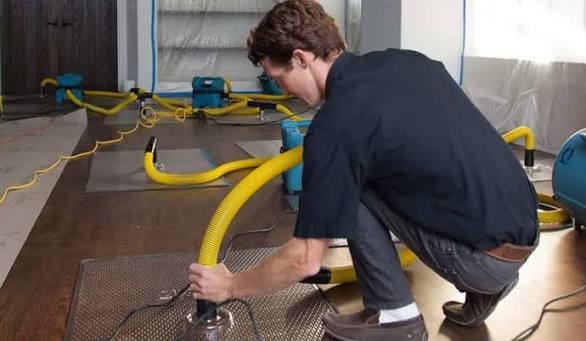
Professional mitigation companies have access to commercial-grade equipment designed to remove water and accelerate the drying process.
Common equipment includes:
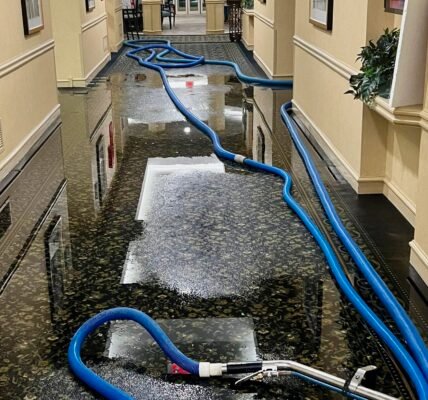
- Industrial Water Extractors: Used to remove standing water from floors, carpets, and other affected surfaces.
- Air Movers: Help improve air circulation and encourage moisture evaporation.
- Commercial Dehumidifiers: Remove excess moisture from indoor air and support effective structural drying.
- Moisture Meters: Help technicians identify damp materials and monitor drying progress.
- Thermal Imaging Cameras: Assist in locating potential hidden moisture behind surfaces.
Using the right equipment allows professionals to address water damage more thoroughly than ordinary household cleaning methods.
4. Saving Time and Reducing Restoration Costs
Water damage can become more expensive when restoration is delayed. Moisture may continue spreading through building materials, increasing the number of affected areas and the amount of work required.
Hiring professionals promptly can help limit the overall damage and reduce the likelihood of extensive repairs.
For example, quickly drying a carpet and its underlying materials may prevent the need for complete replacement in some situations. Similarly, identifying moisture inside a wall early may help avoid more extensive reconstruction.
Professional mitigation services also provide an organized approach to restoration. Instead of attempting different solutions without knowing whether they are effective, property owners receive assistance from trained specialists who understand the appropriate steps.
Although professional services involve an upfront expense, timely mitigation may help prevent much larger financial losses.
5. Identifying Hidden Water Damage
Not all water damage is immediately visible. Water can move beneath flooring, enter wall cavities, collect inside insulation, and spread through ceiling spaces.
These hidden moisture pockets can create ongoing problems even when the visible surfaces appear dry.
Professional technicians conduct detailed inspections to identify areas that may have been affected. Depending on the situation, they may use moisture meters, thermal imaging, and other diagnostic equipment.
Identifying hidden moisture is important because drying only the visible surfaces does not necessarily resolve the entire problem.
A thorough assessment helps ensure that restoration efforts address the actual extent of the damage rather than just its visible symptoms.
6. Protecting Furniture and Personal Belongings
Water damage can affect more than the structure of a property. Furniture, electronics, clothing, documents, carpets, and personal possessions may also be exposed to moisture.
Professional restoration teams can assess damaged belongings and determine which items may be cleaned, dried, or restored.
For example, certain furniture pieces may be recoverable through appropriate drying and cleaning procedures. Some documents and valuable belongings may also require specialized restoration techniques.
Quick action can improve the chances of saving personal possessions before water exposure causes permanent damage.
However, not every item can be safely restored. Professionals can help property owners understand which belongings may be salvageable and which require replacement.
7. Improving Indoor Air Quality
Water damage can affect indoor air quality when moisture remains trapped in enclosed spaces. Damp carpets, wet insulation, and affected building materials may contribute to unpleasant smells and conditions that encourage microbial growth.
Professional water mitigation helps address these concerns by removing excess water and controlling indoor humidity.
Depending on the severity of the damage, technicians may also recommend additional cleaning, sanitization, or air-quality-related services.
It is important to remember that water contamination levels matter. Clean water from a supply line presents different risks from sewage backups or floodwater, which may contain harmful microorganisms and contaminants.
Professionals can evaluate the situation and recommend suitable safety precautions and cleaning procedures.
8. Supporting a More Organized Insurance Claims Process
Dealing with insurance after water damage can be stressful, especially when property owners are already managing repairs and unexpected expenses.
Professional water mitigation companies often document the affected areas, the visible damage, moisture readings, and the restoration work performed.
This documentation may help property owners communicate more effectively with their insurance providers and provide supporting information during the claims process.
Some restoration companies also assist with preparing estimates and coordinating relevant restoration records.
However, insurance coverage depends on the individual policy, the cause of the damage, and applicable exclusions. Property owners should contact their insurance company promptly and review their coverage before assuming that all restoration expenses will be reimbursed.
9. Ensuring a Safer and More Thorough Restoration
Water-damaged properties may contain several safety hazards, including slippery surfaces, weakened ceilings, electrical risks, and contaminated water.
Trying to handle extensive water damage without proper knowledge or protective equipment can expose property owners to unnecessary risks.
Professional technicians follow established safety procedures and use appropriate protective equipment when working in affected areas.
They also understand how to assess different water categories and determine whether specialized cleaning or additional remediation is necessary.
Choosing qualified professionals helps ensure that the mitigation process is handled carefully and that important restoration steps are not overlooked.
How to Choose the Right Water Mitigation Company
Selecting a reliable water mitigation provider is an important part of protecting your property. Not every restoration company offers the same level of experience, equipment, or service quality.
Before hiring a provider, consider the following factors:
- Experience and Training: Look for technicians with relevant water damage restoration experience and professional training.
- Emergency Availability: Water damage can happen at any time, so a company offering prompt emergency assistance can be valuable.
- Proper Equipment: Make sure the provider uses professional water extraction and structural drying equipment.
- Clear Communication: Choose a company that explains the restoration process, estimated costs, and expected timelines.
- Documentation: A reliable provider should document the damage and explain the work being performed.
- Customer Reviews: Check previous customer experiences to understand the company’s reliability and service quality.
Taking time to evaluate your options can help you choose a qualified team capable of handling the restoration process effectively.
Conclusion
Water damage should never be ignored, regardless of how minor it may initially appear. Excess moisture can weaken building materials, damage personal belongings, encourage mold growth, and create expensive restoration challenges. Professional water mitigation services provide the expertise, equipment, and organized approach needed to minimize these risks.
From removing standing water and detecting hidden moisture to protecting structural materials and supporting insurance documentation, professional technicians play an important role in restoring damaged properties.
The most important step is to act quickly. Contacting an experienced water mitigation company as soon as possible can help prevent additional damage, reduce restoration expenses, and protect the long-term condition of your home or commercial property. By choosing professional assistance, property owners can approach water damage emergencies with greater confidence and work toward a safer, cleaner, and properly restored environment.