
Industrial manufacturing depends on precision, durability, and efficient production methods to create products that perform reliably in demanding environments. Among the many processes supporting modern manufacturing, sheet metal fabrication plays a crucial role. From machinery components and structural parts to enclosures, panels, brackets, and custom assemblies, fabricated sheet metal is used across countless industries. Professional Sheet Metal Fabrication Services help manufacturers transform raw metal sheets into accurate, functional, and durable components that meet specific production requirements.
Understanding Sheet Metal Fabrication
Sheet metal fabrication is a manufacturing process that involves cutting, bending, forming, joining, and finishing metal sheets to create desired components. Materials such as stainless steel, aluminum, galvanized steel, and carbon steel can be fabricated according to the needs of a particular application. Modern fabrication combines skilled workmanship with advanced machinery to achieve consistent results.
Manufacturers often require components with specific dimensions, shapes, thicknesses, and surface finishes. Professional fabrication services can produce these parts according to detailed engineering drawings and technical specifications. This makes sheet metal fabrication suitable for both simple components and highly complex industrial assemblies.
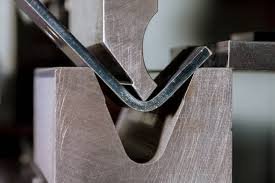
The process can involve several techniques, including laser cutting, punching, shearing, press braking, rolling, welding, and machining. Selecting the appropriate technique depends on the material, design, quantity, and intended application of the finished product.
Supporting Efficient Industrial Production
One of the biggest advantages of professional fabrication is its ability to support efficient manufacturing. Industrial companies often need large quantities of components with consistent dimensions. Advanced fabrication equipment can produce repeated parts with a high level of accuracy, helping reduce production variations.
Computer-controlled machinery has further improved fabrication efficiency. CNC laser cutters, automated punching machines, and programmable press brakes can follow digital designs and produce components with precise measurements. Automation reduces repetitive manual work while allowing manufacturers to maintain consistent production standards.
Efficient fabrication also helps reduce material waste. Modern cutting technologies can optimize how designs are positioned on metal sheets, making better use of available material. Lower waste can contribute to improved production economics and more sustainable manufacturing practices.
Creating Customized Components
Industrial manufacturing rarely follows a single standard design. Different machines, systems, and products may require components with unique dimensions or configurations. This is where custom Sheet Metal Fabrication Services become particularly valuable.
Fabricators can manufacture parts according to individual engineering requirements rather than forcing manufacturers to rely solely on standard components. Custom brackets, machine guards, electrical enclosures, ventilation panels, frames, covers, and structural supports can all be produced based on specific project requirements.
Customization also allows manufacturers to modify components as their equipment evolves. A company developing a new machine may need specialized sheet metal parts that are unavailable through conventional suppliers. Fabrication services can help turn those designs into practical physical components.
Improving Product Durability
Industrial environments can expose equipment to vibration, heat, moisture, chemicals, pressure, and continuous mechanical stress. Components used in these conditions must therefore be strong enough to withstand their operating environment.
Professional fabrication helps manufacturers select suitable materials and manufacturing techniques for each application. Stainless steel, for example, may be appropriate where corrosion resistance is important, while aluminum can provide a lightweight solution for applications where reducing overall weight matters.
The fabrication process itself also contributes to durability. Proper bending, welding, forming, and finishing can improve the structural integrity of a component. Protective coatings, powder coating, painting, plating, and other finishing methods can provide additional resistance against corrosion and environmental damage.
Enhancing Precision and Quality
Precision is essential in industrial manufacturing because even small dimensional errors can affect the performance of an entire assembly. A poorly fitting bracket, enclosure, or machine panel may create alignment problems, vibration, safety concerns, or additional maintenance requirements.
Professional fabrication facilities use measuring equipment, digital design systems, and quality-control procedures to maintain dimensional accuracy. CNC equipment can reproduce complex shapes repeatedly while reducing inconsistencies associated with manual production.
Quality control may include dimensional inspections, material verification, weld inspection, surface checks, and final assembly testing. These measures help ensure that fabricated components meet the specifications established by the manufacturer.
Supporting Different Industrial Sectors
The versatility of sheet metal makes fabrication valuable across numerous industrial sectors. Automotive manufacturers use fabricated components for vehicle systems, brackets, panels, supports, and equipment. Construction companies may require structural components, ductwork, flashing, and architectural metalwork.
The electrical and electronics industries also rely heavily on fabricated enclosures, control cabinets, panels, racks, and protective covers. HVAC manufacturers use sheet metal for ducts, housings, vents, and other system components.
Industrial machinery manufacturers can use fabricated metal for machine frames, guards, platforms, covers, and internal components. Agriculture, energy, transportation, telecommunications, and food-processing industries can similarly benefit from customized metal fabrication.
Reducing Production and Maintenance Costs
Cost management is a major consideration in industrial manufacturing. Although the cheapest component is not always the most economical choice, accurately fabricated parts can contribute to long-term savings.
Precise fabrication reduces the likelihood of defective components, unnecessary rework, and production delays. Durable materials and appropriate finishing can also extend component service life, reducing the frequency of replacements.
Additionally, manufacturers can work with fabrication specialists to simplify component designs where appropriate. Combining multiple pieces into a single fabricated part may reduce assembly requirements, fasteners, and labor costs. Efficient designs can therefore improve both manufacturing speed and overall operational efficiency.
The Importance of Advanced Technology
Technology continues to transform the sheet metal fabrication industry. CAD software allows engineers and fabricators to create detailed digital models before production begins. These designs can be analyzed and adjusted before any material is cut, helping identify potential problems at an early stage.
CNC machinery, automated welding systems, robotic handling equipment, and advanced inspection technologies have also improved production capabilities. These technologies enable fabricators to handle complex geometries and demanding specifications while maintaining repeatable quality.
Digital manufacturing systems can additionally improve communication between designers, fabricators, and manufacturers. Accurate digital files can reduce misunderstandings and help ensure that the final component reflects the original engineering requirements.
Choosing the Right Fabrication Partner
Selecting an experienced fabrication provider is important for achieving reliable manufacturing results. Companies should consider the fabricator’s equipment, material capabilities, quality-control procedures, production capacity, and experience with similar industrial applications.
Communication is equally important. A capable fabrication partner should understand technical drawings, material specifications, tolerances, finishing requirements, and delivery schedules. Clear communication can reduce errors and make it easier to address design changes during a project.
Manufacturers should also evaluate whether a provider can support both prototype development and larger production runs. Having one reliable fabrication partner throughout different stages of product development can simplify sourcing and improve consistency.
Looking Ahead at Industrial Fabrication
As industrial manufacturing becomes more automated and design requirements become increasingly sophisticated, sheet metal fabrication will remain an important part of the production landscape. The combination of advanced machinery, digital design, skilled technicians, and quality-control systems allows manufacturers to produce components that are accurate, durable, and tailored to specific applications.
Professional Sheet Metal Fabrication Services provide more than basic metal cutting and forming. They support product development, manufacturing efficiency, customization, durability, and long-term operational performance. By working with experienced fabrication specialists, industrial manufacturers can obtain dependable components while improving production processes and maintaining the quality standards required in competitive modern industries.
The continuing development of automation, precision equipment, and digital manufacturing technologies is likely to make sheet metal fabrication even more capable in the future. For industries that depend on reliable metal components, fabrication remains an essential link between engineering concepts and finished industrial products.