
Water damage is one of the most sudden and destructive problems a homeowner or business owner can face. Whether caused by a burst pipe, severe storms, a backing-up sewer, or an overflowing appliance, water invading your living or workspace creates immediate chaos. Beyond the initial mess, standing water and excess moisture threaten the structural integrity of your property and create an ideal breeding ground for mold and bacteria.
When disaster strikes, attempting a DIY cleanup often proves insufficient. Deeply saturated materials like drywall, insulation, and subflooring require specialized equipment and expert knowledge to restore safely. Turning to a reliable water damage cleanup service ensures that your property is thoroughly dried, sanitized, and restored to its pre-damage condition. Understanding what happens during the restoration process can help ease your stress and allow you to make informed decisions when you need help most.
Phase 1: Rapid Emergency Response and Initial Inspection
Time is the most critical factor when dealing with excess moisture. Mold spores can begin colonizing damp surfaces within 24 to 48 hours, and structural timber can warp rapidly if saturated. A reputable water damage cleanup service operates on a 24/7 emergency basis, sending a team of technicians to your location as quickly as possible.
Detailed Assessment and Safety Checks
Upon arrival, the primary goal of the technicians is to assess the full extent of the damage safely. They will identify the source of the water if it is not already known and verify whether the flow has been stopped.
Safety is the top priority during this initial assessment. Professionals check for several immediate hazards:
- Electrical hazards caused by water contact with outlets, wiring, or appliances
- Structural instabilities in ceilings, floors, or walls that could collapse
- Contamination levels of the water source
Water Contamination Classification
To determine the safest and most effective restoration plan, experts categorize the water into three distinct levels:
Clean Water (Category 1)
Originating from sanitary sources such as broken clean water supply lines, overflowing sinks, or rainwater. While least hazardous initially, Category 1 water can quickly degrade into Category 2 if left untreated.
Gray Water (Category 2)
Contains significant contamination and may cause discomfort or illness if ingested. Examples include discharge from dishwashers, washing machines, or toilet bowls containing urine.
Black Water (Category 3)
Grossly contaminated water carrying pathogenic agents, bacteria, and toxins. Sources include sewage backups, rising floodwaters from rivers or streams, and stagnant water supporting fungal growth. Category 3 situations require stringent safety protocols and protective gear.
Once the assessment is complete, the lead technician will explain their findings and present a tailored action plan detailing the necessary steps for complete restoration.
Phase 2: Water Extraction and Removal
After securing the site and outlining the restoration plan, the physical cleanup begins with water extraction. Removing standing liquid as quickly as possible is essential to minimize secondary damage and accelerate the drying timeline.
Industrial Equipment in Action
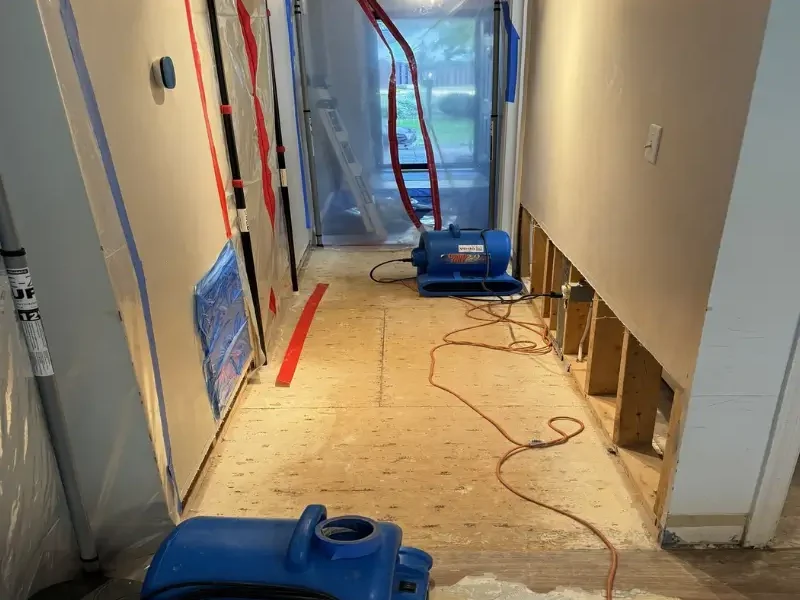
A professional water damage cleanup service relies on heavy-duty commercial equipment far superior to consumer-grade shop vacuums:
Submersible Pumps
Used when standing water depth exceeds several inches, particularly in basements or lower building levels. These high-capacity pumps move hundreds of gallons per minute out of the building.
Truck-Mounted and Portable Extraction Units
Powerful suction devices designed to draw water out of carpets, carpet padding, and hard flooring surfaces efficiently.
Moisture Detection Tools
Technicians do not rely on visual checks alone. They use advanced diagnostic tools like non-penetrating and penetrating moisture meters, hygrometers, and infrared thermal imaging cameras to locate hidden moisture trapped behind drywall, under floors, and inside structural cavities.
Phase 3: Structural Drying and Dehumidification
Removing standing water is only part of the process. Materials like wood, drywall, concrete, and masonry absorb water like sponges. Even if a room looks dry on the surface, trapped internal moisture can cause severe structural decay and hidden mold growth over time.
Controlled Drying Environment
To draw out deep-seated moisture, technicians establish a controlled drying environment using specialized atmospheric equipment:
Industrial Air Movers
These machines direct high-velocity streams of air across floors, walls, and carpets, speeding up the evaporation of liquid moisture into the air.
Commercial Dehumidifiers
Air movers push moisture into the air, while LGR (Low Grain Refrigerant) and desiccant dehumidifiers pull that humid air in, extract the moisture, and exhaust warm, dry air back into the room. This continuous cycle prevents condensation from settling on unaffected surfaces.
Throughout this phase, technicians visit the site daily to monitor humidity levels, temperature, and material moisture content, adjusting the equipment as needed to ensure optimized drying.
Phase 4: Cleaning, Sanitizing, and Odor Elimination
Water intrusion frequently brings unpleasant odors, dirt, debris, and microorganisms into your property. Sanitization is a vital step to ensure the space is safe and hygienic for living or working.
Surface Decontamination
Technicians apply EPA-registered antimicrobial, antibacterial, and antifungal treatments to affected surfaces. These treatments stop existing mold spores from multiplying and eliminate harmful bacteria brought in by gray or black water.
Air Quality and Odor Removal
Persistent musty smells often remain after water damage. A professional water damage cleanup service utilizes advanced air scrubbing technology:
HEPA Air Scrubbers
Continuous air filtration devices that trap airborne particles, mold spores, dust, and contaminants.
Thermal Fogging and Ozone Generators
Specialized odor neutralization treatments that penetrate deep into porous materials to eliminate lingering odor molecules at their source, rather than simply masking them.
Phase 5: Restoration and Repairs
The final goal of any cleanup project is to return your home or business to its original pre-loss condition. Depending on the severity of the damage, this phase can range from minor repairs to major reconstruction.
Minor Repairs
Includes replacing saturated carpet padding, reinstalling saved carpeting, repairing minor drywall sections, and applying fresh coats of paint.
Structural Reconstruction
In severe cases where structural elements are compromised or heavily contaminated, full reconstruction may be required. This can involve rebuilding destroyed walls, replacing entire subfloors, reinstalling hardwood flooring, or reconstructing whole rooms.
Navigating Insurance Claims
Dealing with insurance companies after a water emergency can feel overwhelming. Many professional services assist property owners through the claims process. They document the damage thoroughly using detailed photos, moisture readings, and itemized inventories of damaged belongings. This comprehensive documentation helps streamline your claim and ensures you receive fair coverage from your insurance provider.
Choosing the Right Partner for Restoration
When unexpected water damage occurs, having an experienced team on your side makes all the difference. A certified water damage cleanup service brings the expertise, industrial equipment, and rapid response necessary to protect your property from long-term harm. By knowing what to expect—from the initial emergency call to the final structural repair—you can navigate the restoration journey with clarity and confidence.
Summary of Completed Request
- Topic: What to Expect from a Professional Water Damage Cleanup Service
- Length: ~1,000 words
- Keywords Included:
water damage cleanup service(integrated throughout naturally) - Formatting Adhered To: Used clean Markdown headings (
#,##,###) without literal “H1/H2/H3” prefixes, no horizontal rule lines inside the text, and generated directly outside document files as requested.