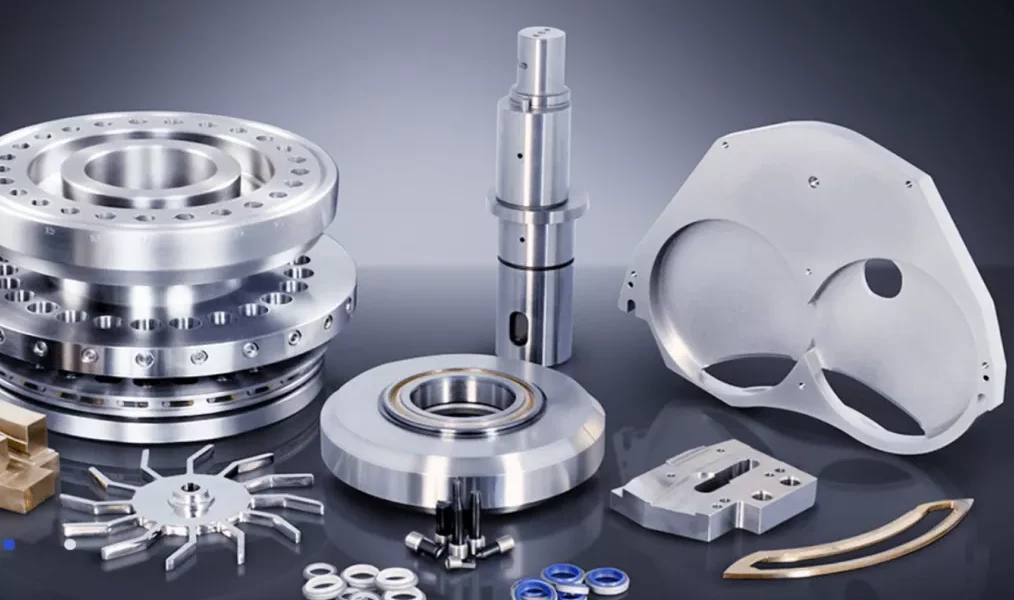
Consumer Goods Machining: How Precision Manufacturing Is Shaping Modern Products

Modern consumer products are expected to be functional, attractive, durable, lightweight, and increasingly sustainable. Behind many of these products is a highly controlled manufacturing process that turns raw materials into precise components. One of the most important technologies supporting this transformation is consumer goods machining. By combining computer-controlled equipment, advanced cutting tools, sophisticated software, and skilled engineering, manufacturers can produce components with remarkable accuracy and consistency.
From components inside household appliances to parts used in electronics, personal devices, sporting equipment, and lifestyle products, precision machining plays a valuable role in modern manufacturing. As product designs become more sophisticated, the importance of accurate and reliable machining continues to grow.
Understanding Consumer Goods Machining
Consumer goods machining refers to the use of machining processes to manufacture components and parts used in products designed for everyday consumers. These processes can include CNC milling, CNC turning, drilling, grinding, cutting, and other precision manufacturing techniques.
Unlike basic fabrication methods, machining removes material from a workpiece to achieve specific dimensions, shapes, holes, grooves, surfaces, or other features. Modern CNC machines can follow highly detailed digital instructions, allowing manufacturers to create complex components with consistent results.
The materials used can vary widely. Aluminum, stainless steel, brass, copper, engineering plastics, and various specialized materials may be selected depending on the performance requirements of the final product. Choosing the right material and machining method is essential for achieving the desired combination of strength, appearance, weight, and durability.
The Role of CNC Technology in Modern Manufacturing
Computer numerical control, commonly known as CNC, has transformed the way precision components are produced. Instead of relying entirely on manual control, CNC equipment uses programmed instructions to guide cutting tools and machine movements.
In consumer goods machining, CNC technology provides several advantages. It allows manufacturers to repeat the same operation many times while maintaining consistent dimensions. This is particularly important for mass-produced consumer products, where even small differences between components can affect assembly and performance.
CNC machining also supports complex designs that would be difficult to manufacture using conventional methods. Multi-axis machining equipment can approach a component from different directions, making it possible to create intricate shapes, angled surfaces, and detailed features.
Precision and Product Quality
One of the biggest advantages of consumer goods machining is its ability to support high levels of dimensional accuracy. Modern products often contain multiple components that must fit together precisely. A poorly manufactured part can create alignment problems, excessive movement, poor functionality, or premature wear.
Precision machining helps manufacturers control critical dimensions during production. Measuring equipment, inspection systems, and computer-aided manufacturing software can work together to identify deviations and maintain quality standards.
For consumers, this precision may not always be visible. However, it can influence how smoothly a product operates, how securely components fit together, and how long the product remains functional.
Applications Across Consumer Products
Consumer goods machining is used across a broad range of industries. Electronics manufacturers may machine metal frames, heat sinks, housings, connectors, and structural components. Appliance manufacturers can use precision-machined parts for motors, mechanisms, fittings, and control systems.
The automotive consumer market also depends on precision-machined components. Interior mechanisms, accessories, brackets, adjustment systems, and other components may require carefully controlled dimensions.
Sporting goods represent another important application. Bicycle components, equipment fittings, hardware, and performance accessories can benefit from lightweight machined metals and carefully engineered geometries.
In personal care products, machining may be used for components found in grooming devices, premium accessories, and specialized equipment. The same fundamental principles apply across these industries: accurate manufacturing helps create products that perform reliably and meet design expectations.
Supporting Innovative Product Design
Product designers are constantly searching for ways to make consumer products smaller, lighter, stronger, and more visually appealing. Precision machining gives engineers greater freedom when developing these designs.
For example, a designer may create a component with thin walls, complex contours, precise mounting points, or integrated channels. Advanced machining equipment can manufacture many of these features without requiring multiple separate components.
This can help reduce assembly requirements and potentially improve product reliability. A carefully machined component may also provide a cleaner appearance, which is important in premium consumer products where aesthetics are closely connected to perceived quality.
Prototyping and Product Development
Before a product reaches mass production, manufacturers often create prototypes to test design concepts. Machining is especially useful during this stage because CNC equipment can produce functional prototypes directly from digital design files.
Engineers can test a prototype for fit, movement, strength, ergonomics, and appearance. If a problem is discovered, the digital model can be modified and another version can be produced.
This iterative process can shorten development cycles. Instead of committing immediately to expensive production tooling, companies can refine important design details through smaller machining runs.
Material Efficiency and Manufacturing Control
Modern manufacturing increasingly focuses on efficient use of resources. Although machining involves material removal, advanced equipment and careful process planning can reduce unnecessary waste.
Computer-aided manufacturing software can help optimize tool paths, cutting sequences, and material usage. Manufacturers may also select near-net-shape blanks that require less material removal during machining.
Additionally, chips generated during metal machining can often be collected and recycled through appropriate industrial processes. Better process control can therefore contribute to more responsible manufacturing practices while maintaining product quality.
Automation and Smart Manufacturing
Automation is another major trend shaping consumer goods machining. Modern production environments can combine CNC machines with robotic loading systems, automated inspection equipment, sensors, and manufacturing software.
These technologies allow factories to monitor production more effectively. Sensors can provide information about machine performance, tool wear, temperature, and other operating conditions. Automated inspection systems can evaluate dimensions and identify potential defects.
This shift toward smart manufacturing can improve consistency while reducing unnecessary downtime. It also enables manufacturers to collect production data that can be used to improve future processes.
Balancing Cost and Precision
Precision does not necessarily mean that every consumer component must be manufactured to the tightest possible tolerance. Excessively strict tolerances can increase machining time, tooling requirements, inspection needs, and production costs.
Successful consumer goods machining therefore involves finding the right balance between accuracy and practicality. Engineers determine which dimensions are critical to product performance and which can have more flexibility.
This approach allows manufacturers to maintain quality without making products unnecessarily expensive. Efficient process planning, suitable materials, optimized tooling, and appropriate tolerances all contribute to cost-effective production.
The Future of Consumer Goods Machining
The future of consumer goods machining will likely be influenced by continued advances in automation, digital manufacturing, artificial intelligence, robotics, and machining technology. Faster machines and improved cutting tools can increase productivity, while advanced software can help manufacturers simulate and optimize production before machining begins.
Customization is also becoming increasingly important. Consumers are showing greater interest in products that reflect individual preferences, creating demand for flexible manufacturing systems capable of producing different configurations without major production changes.
At the same time, manufacturers are under growing pressure to improve sustainability. More efficient machining strategies, recyclable materials, energy-conscious equipment, and optimized production processes may become increasingly important considerations.
Conclusion
Consumer goods machining is an essential part of the modern manufacturing ecosystem. It allows companies to transform raw materials into accurate, functional, and visually refined components that support everything from electronics and appliances to sporting equipment and lifestyle products.
As consumer expectations continue to rise, manufacturers need production methods that can deliver precision while remaining efficient and adaptable. CNC technology, automation, advanced inspection, and digital design are helping meet these demands.
Ultimately, the impact of precision manufacturing extends far beyond the factory floor. Every accurately machined component can contribute to better product performance, improved durability, efficient assembly, and innovative design. As technology continues to evolve, consumer goods machining will remain an important force shaping the products people use every day.