
Hurricanes can bring powerful winds, heavy rainfall, flooding, and extended power outages. When the electrical grid goes down, homes and businesses can quickly lose access to essential systems such as lighting, refrigeration, communication devices, heating or cooling equipment, and medical equipment. Having reliable hurricane backup power can make a major difference in maintaining safety, comfort, and essential services during and after a severe storm.
A good backup power plan should be prepared well before hurricane season. Understanding the available power options, determining your electricity needs, and following safe operating practices can help households respond more effectively when an outage occurs.
Why Hurricane Backup Power Is Important
Power outages caused by hurricanes can last for hours or even several days. Damaged power lines, flooded electrical infrastructure, fallen trees, and difficult repair conditions can delay restoration.
Backup power provides an alternative source of electricity when the main grid is unavailable. Depending on the system selected, it can keep essential appliances and devices operating during an emergency.
Common priorities include refrigerators and freezers, phones, internet equipment, lights, fans, sump pumps, security systems, and other essential household equipment. For some households, backup power may also be necessary for approved medical devices.
Preparing backup power in advance reduces dependence on emergency supplies and helps households respond calmly when severe weather arrives.
Types of Hurricane Backup Power
Several backup power options are available, and each has different advantages.
Portable Generators
Portable generators are a common choice because they can provide substantial electrical output and can be moved when necessary. They are often used to power selected appliances and essential devices during outages.
However, fuel-powered generators require careful handling. They must be operated outdoors in a safe, well-ventilated location because their exhaust can contain dangerous carbon monoxide. They should never be operated inside a home, garage, basement, or other enclosed space.
Home Standby Generators
Standby generators are permanently installed systems designed to provide backup electricity to a home. Many models can start automatically when they detect a utility power failure.
This type of system can be convenient for homeowners who want automatic backup power during hurricanes and other emergencies. Professional installation is generally required, and the system should be maintained according to the manufacturer’s instructions.
Battery Backup Systems
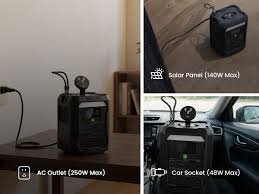
Battery power stations and home battery systems store electricity for use during an outage. They can operate without combustion and are often useful for powering smaller appliances, electronics, lights, and communication equipment.
Battery systems can also be paired with solar panels in some setups. This can provide an additional method of replenishing stored energy when sunlight is available.
How to Choose the Right Backup Power System
The best hurricane backup power solution depends on the equipment you need to operate and how long you expect the outage to last.
Start by creating a list of essential devices. Include refrigerators, freezers, lights, fans, communication equipment, medical devices, and pumps if applicable. Check the power requirements listed by the manufacturer.
Some appliances require more electricity when starting than they use during normal operation. This is especially important when selecting a generator or battery system.
Instead of trying to power every appliance in the home, consider prioritizing essential equipment. A properly sized system can provide practical emergency coverage without unnecessary capacity.
Fuel Planning for Hurricane Season
Fuel availability can become difficult after a major hurricane. Roads may be blocked, stores may close, and fuel stations may have limited supplies.
If using a fuel-powered generator, follow local regulations and the manufacturer’s storage recommendations. Store fuel only in approved containers and in an appropriate location away from ignition sources.
Never attempt to refuel a hot generator. Allow the equipment to cool according to the manufacturer’s instructions before handling fuel.
Battery systems eliminate the need for gasoline or other generator fuels, but they still require sufficient charge before an emergency.
Generator Safety During Hurricanes
Safety should always be the highest priority when using backup electricity.
A fuel-powered generator should remain outdoors and positioned far enough from doors, windows, and ventilation openings to prevent exhaust from entering the building. Follow the manufacturer’s required clearance distances and local safety guidance.
Carbon monoxide detectors can provide an additional safety measure inside the home. Never use a generator inside an enclosed area, even if doors or windows are open.
Electrical connections also require attention. Use appropriate heavy-duty outdoor-rated extension cords when permitted by the equipment instructions. Avoid damaged cords and overloaded connections.
For systems connected directly to a home’s electrical wiring, installation should be handled by a qualified professional. Improper connections can create serious electrical hazards and can potentially send electricity back into utility lines.
Protecting Backup Equipment From Storm Conditions
Hurricanes involve more than power outages. Strong winds, rain, and flooding can damage electrical equipment.
Portable generators and other electrical equipment should be protected from rain and standing water while still receiving adequate ventilation. Follow the manufacturer’s instructions for weather protection and placement.
Never operate electrical equipment in standing water or in conditions where water can contact electrical components.
After a storm, inspect equipment before using it. If a generator, battery system, extension cord, or electrical component has been exposed to flooding or significant water damage, do not use it until it has been properly inspected by a qualified professional.
Keeping Essential Devices Running
During a long outage, electricity should be used strategically. Begin with the most important equipment and avoid unnecessary consumption.
A refrigerator, for example, can generally maintain cold temperatures for a period without continuous operation if the door remains closed. Limiting unnecessary opening can help preserve stored food.
Phones, power banks, radios, and other communication devices should also be charged before a storm arrives. LED lights can provide useful illumination while consuming relatively little electricity.
Energy-efficient appliances and devices can help extend the available runtime of a battery system or reduce fuel consumption from a generator.
Solar and Battery Backup for Hurricane Preparedness
Solar energy can complement battery storage in certain emergency power systems. During daylight hours, solar panels may help recharge compatible batteries, depending on weather conditions and system design.
However, hurricane clouds and heavy rainfall can significantly reduce solar production. For that reason, homeowners should not assume solar charging alone will provide continuous backup electricity during severe weather.
A combination of stored battery capacity and another reliable backup option may provide greater flexibility for longer outages.
Preparing Before Hurricane Season
The best time to prepare hurricane backup power is before a storm is approaching.
Test your backup equipment periodically and follow the manufacturer’s maintenance schedule. Check generator oil and other service items where applicable. Inspect cords, connectors, batteries, and other components for damage.
Keep important manuals and emergency contact information accessible. Make sure household members know basic safety rules and understand which devices should receive backup power.
It is also useful to create an emergency power checklist that identifies essential appliances, available backup equipment, fuel or charging requirements, and safe operating procedures.
Conclusion
Reliable hurricane backup power can help households maintain essential electricity during severe storms and extended outages. Portable generators, standby generators, battery systems, and solar-supported solutions each offer different benefits depending on household requirements.
The most important considerations are proper sizing, preparation, maintenance, safe operation, and careful energy management. Fuel-powered generators must always be operated outdoors in accordance with safety instructions, while electrical connections should be handled appropriately to avoid dangerous backfeeding.
By preparing before hurricane season, homeowners can improve their ability to keep essential appliances, communication devices, and other critical equipment operating when the electrical grid goes down. A well-planned backup power system is an important part of overall hurricane preparedness.