
Modern construction projects increasingly demand materials that combine durability, versatility, safety, and attractive design. As architects, engineers, and builders look for alternatives to traditional glass and other rigid materials, polycarbonate has become an increasingly useful option. A solid polycarbonate sheet offers a practical combination of strength, impact resistance, weather performance, and design flexibility, making it suitable for a wide range of commercial, industrial, residential, and architectural applications.
From protective barriers and building façades to skylights and interior partitions, this material can contribute to efficient and long-lasting construction solutions. Understanding its key benefits can help project planners determine where it may fit into modern building designs.
What Is a Solid Polycarbonate Sheet?
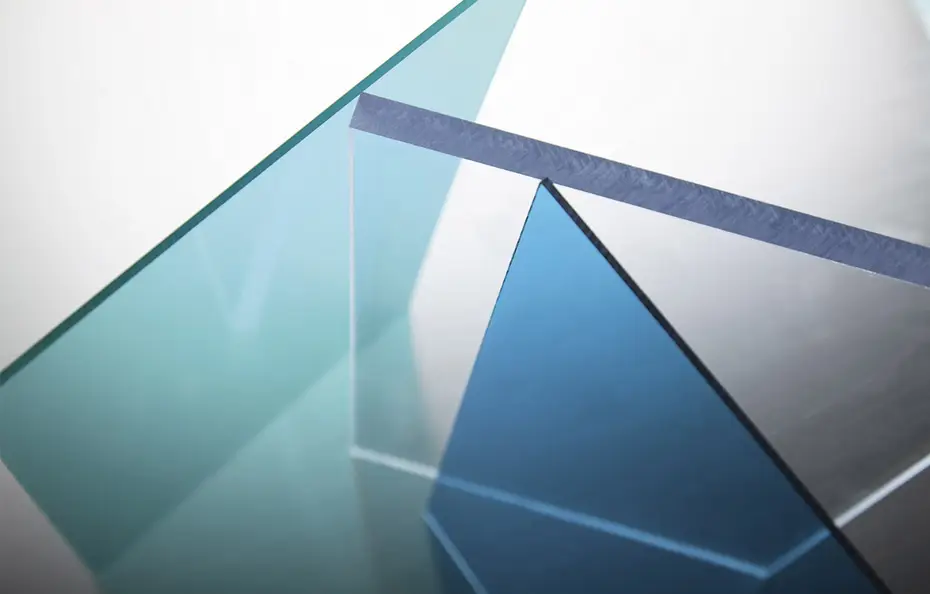
A solid polycarbonate sheet is a rigid, transparent or translucent panel manufactured from polycarbonate thermoplastic. Unlike multiwall polycarbonate products, which contain internal hollow chambers, solid sheets have a continuous structure throughout their thickness.
This construction gives the material a glass-like appearance while providing considerably different performance characteristics. Depending on the product, sheets can be manufactured in various thicknesses, colors, finishes, and surface treatments.
Because polycarbonate can be processed into different shapes and sizes, it can support both functional and aesthetic requirements. It is commonly considered when a project needs a strong sheet material without the weight and fragility associated with conventional glass.
High Impact Resistance
One of the most important advantages of a solid polycarbonate sheet is its impact resistance. Polycarbonate is known for its ability to withstand significant physical force without breaking as easily as many conventional transparent materials.
This characteristic can be particularly valuable in environments where panels may be exposed to accidental impacts, equipment movement, debris, or demanding weather conditions. In commercial buildings, industrial facilities, schools, sports facilities, and public areas, impact-resistant materials can provide an additional layer of protection.
The reduced likelihood of shattering can also simplify maintenance and replacement requirements. For applications where safety and durability are important, this makes polycarbonate a practical material to consider.
Lightweight Construction Benefits
Although solid polycarbonate sheets are strong, they are generally lighter than glass panels with comparable dimensions. Lower material weight can influence several stages of a construction project.
Lighter panels can be easier to transport, handle, position, and install. They may also reduce the structural load placed on supporting frames, depending on the specific application and engineering design.
For renovation projects, lightweight materials can be especially useful when existing structures have limitations. Architects and engineers can evaluate whether a solid polycarbonate sheet can meet the required performance specifications while helping simplify handling and installation.
Excellent Design Flexibility
Modern architecture often combines practical performance with distinctive visual design. Polycarbonate supports this approach because sheets can be available in different colors, levels of transparency, finishes, and dimensions.
Transparent sheets can help create open visual spaces and allow natural light to pass through. Tinted or opaque options can provide privacy or contribute to specific design concepts. Surface textures and coatings may also alter the visual appearance and performance of the material.
This flexibility allows designers to use polycarbonate in both subtle and highly visible architectural applications.
Natural Light and Visual Appeal
Natural lighting is an important consideration in many modern buildings. Transparent and translucent polycarbonate panels can allow daylight into selected areas while functioning as protective building elements.
They may be incorporated into skylights, canopies, partitions, façades, entrance structures, and other architectural features. Bringing more daylight into a space can help create a brighter interior environment and may reduce the need for artificial lighting during certain periods.
Designers can select the appropriate transparency and finish based on the project’s lighting, privacy, and aesthetic requirements.
Weather and Outdoor Performance
Construction materials used outdoors must withstand changing environmental conditions. A properly specified solid polycarbonate sheet can offer useful resistance to many common outdoor challenges.
Depending on the product specification and surface treatment, polycarbonate sheets can be designed for exposure to sunlight and changing temperatures. UV-resistant options are particularly important for exterior installations because prolonged ultraviolet exposure can affect the appearance and performance of some plastics.
Before installation, project teams should review manufacturer specifications for UV protection, temperature limits, weather resistance, and expected service conditions.
Thermal and Energy Considerations
Building efficiency has become increasingly important in modern construction. While the thermal performance of a solid polycarbonate sheet depends on its thickness, coating, color, and installation system, it can be incorporated into designs where controlled daylight and enclosure performance are required.
For example, carefully designed transparent or translucent sections can help introduce daylight into areas that might otherwise require artificial illumination. However, designers should consider solar heat gain, insulation requirements, orientation, and local climate when selecting polycarbonate for an exterior building application.
Material selection should therefore be part of the overall building-performance strategy rather than considered separately.
Easy Fabrication and Installation
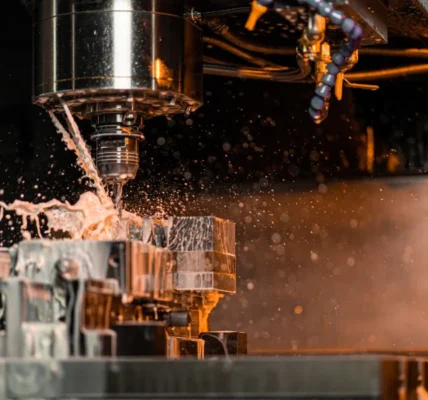
Another useful feature of polycarbonate is its fabrication flexibility. Depending on the product and project requirements, sheets can be cut, drilled, formed, and installed using appropriate tools and methods.
This can help contractors adapt panels to different architectural layouts. Proper fabrication is important, however, because incorrect cutting, fastening, or allowance for thermal movement can affect long-term performance.
Installers should follow the manufacturer’s recommendations for fasteners, spacing, edge clearances, expansion, sealing, and support structures.
Applications Across Modern Construction
The versatility of a solid polycarbonate sheet makes it suitable for numerous applications. In commercial construction, it may be used for partitions, protective glazing, interior features, and architectural panels.
Industrial facilities can use polycarbonate for machine guards, safety barriers, viewing panels, and protective enclosures where impact resistance is valuable. Residential projects may incorporate it into patio structures, privacy screens, skylights, and other design features.
Public buildings, transportation facilities, educational institutions, and recreational spaces can also benefit from transparent or translucent polycarbonate solutions.
Durability and Long-Term Value
Construction projects require materials that can provide reliable performance over time. Polycarbonate’s combination of impact resistance, relatively low weight, and weather-resistant options can contribute to long-term value when the material is correctly selected and installed.
Regular inspection and appropriate cleaning can help maintain its appearance. Cleaning methods should be compatible with the sheet’s surface because abrasive materials or unsuitable chemicals can damage the finish.
The overall lifespan of the installation will depend on factors such as product quality, thickness, exposure, support design, installation practices, and maintenance.
Choosing the Right Polycarbonate Sheet
Not every construction project requires the same type of polycarbonate. Before purchasing a solid polycarbonate sheet, project teams should evaluate thickness, dimensions, transparency, color, UV protection, surface coating, fire-performance requirements, impact requirements, and environmental exposure.
It is also important to consider local building codes and project-specific engineering requirements. Working with a reputable manufacturer or supplier can help ensure that the selected product meets the intended application.
Conclusion
A solid polycarbonate sheet offers a combination of strength, lightweight construction, design flexibility, impact resistance, and potential outdoor durability that can make it valuable for modern construction projects. Its ability to provide transparency or controlled light transmission while offering greater impact resistance than many conventional glazing materials gives architects and builders another option for functional and attractive building designs.
From commercial façades and partitions to industrial barriers and residential features, polycarbonate can support a broad range of applications. With careful product selection, professional installation, and appropriate maintenance, it can become a practical component of modern construction projects focused on durability, safety, and design flexibility.