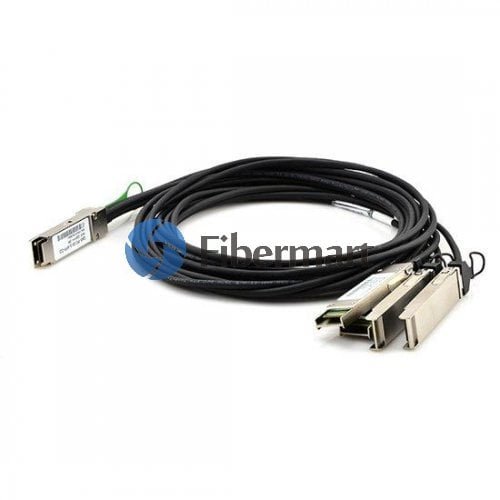

As modern data centers and enterprise networks continue to evolve, the demand for high-speed, reliable connectivity has never been greater. Organizations are increasingly relying on faster data transmission to support cloud computing, artificial intelligence, and real-time applications. One of the key solutions driving this performance upgrade is the use of QSFP28 copper cables. For those looking to optimize their network infrastructure efficiently, understanding how these cables work and why they matter is essential. In this article, we’ll dive deep into QSFP28 copper cables, their benefits, and how a qsfp28 harness cable can enhance network performance.
Understanding QSFP28 Copper Cables
QSFP28, short for Quad Small Form-factor Pluggable 28, is a high-speed data transmission standard capable of supporting 100Gbps bandwidth. Unlike optical transceivers that rely on fiber optics, QSFP28 copper cables use electrical signaling over copper wires. This makes them ideal for short-range connections within racks or between adjacent racks in a data center, providing a cost-effective alternative to optical cabling for certain applications.
QSFP28 copper cables are designed to maintain signal integrity at high speeds while minimizing latency. They are typically used in top-of-rack (ToR) switches, server connections, and aggregation points where high throughput and low power consumption are critical. Fiber-Mart offers a wide range of QSFP28 copper cables that meet these performance requirements, ensuring compatibility and reliability for enterprise networks.
Key Advantages of Using QSFP28 Copper Cables
One of the primary benefits of QSFP28 copper cables is their simplicity and efficiency. Compared to fiber optic solutions, copper cables do not require transceivers that convert electrical signals into light, which reduces both cost and complexity. Here are some key advantages:
- High-Speed Performance: QSFP28 copper cables can transmit data at 100Gbps, making them suitable for bandwidth-intensive applications such as virtualization, big data analytics, and high-performance computing.
- Low Latency: Electrical connections over copper are inherently low-latency, which is crucial for applications that require real-time data transfer.
- Cost-Effective: Copper cables are generally more affordable than fiber optic solutions, especially for short-distance connections. Organizations can achieve high-speed connectivity without the additional expense of optical transceivers and fiber modules.
- Ease of Deployment: QSFP28 copper cables are plug-and-play, simplifying installation and reducing downtime during network upgrades. This makes them an ideal choice for environments where speed and reliability are priorities.
What Makes QSFP28 Harness Cables Essential
A qsfp28 harness cable is a type of copper cable that bundles multiple QSFP28 connections together. This configuration allows for more efficient cable management and organized connectivity within data centers. Instead of running multiple individual cables, a harness cable integrates them into a single, cohesive unit, reducing clutter and improving airflow around networking equipment.
Using a QSFP28 harness cable offers several practical benefits:
- Optimized Cable Management: With multiple connections bundled, harness cables reduce tangling and make it easier for network administrators to trace and manage connections.
- Improved Airflow and Cooling: Neatly organized cables prevent obstructions that can impede cooling, ensuring that servers and switches operate at optimal temperatures.
- Reduced Installation Time: Bundling multiple connections into a single cable simplifies the deployment process, saving time during network setup or upgrades.
- Enhanced Reliability: Fewer individual connections reduce the likelihood of loose or damaged cables, improving overall network reliability.
Fiber-Mart provides high-quality QSFP28 harness cables designed to meet industry standards, ensuring that network performance is not compromised. Whether you are upgrading an existing data center or building a new one, investing in a harness cable can streamline your operations while maintaining high-speed connectivity.
Compatibility and Network Considerations
Before deploying QSFP28 copper cables, it’s important to consider compatibility with existing network equipment. QSFP28 modules are backward-compatible with QSFP+ standards, meaning they can often be used in environments that previously supported 40Gbps links. However, to achieve the full 100Gbps performance, ensure that switches, routers, and servers are fully QSFP28-compatible.
When selecting a qsfp28 harness cable, consider factors such as:
- Cable Length: Copper cables are generally recommended for short-distance connections up to 5 meters. For longer distances, fiber optic solutions may be more appropriate.
- Connector Type: QSFP28 cables use standard MPO or MTP connectors to interface with network devices. Ensure your equipment supports the chosen connector type.
- Shielding and Quality: High-quality shielding reduces electromagnetic interference (EMI), ensuring stable data transmission and minimizing signal loss. Fiber-Mart provides cables with robust shielding and industry-grade components to guarantee performance.
Best Practices for Deploying QSFP28 Copper Cables
To maximize the benefits of QSFP28 copper cables and harness configurations, consider the following best practices:
- Plan Your Layout: Map out your data center or network rack to determine the optimal cable lengths and paths before installation. This prevents unnecessary excess cable and simplifies troubleshooting.
- Use Cable Management Solutions: Incorporate racks, trays, or Velcro straps to organize harness cables. Keeping cables neat improves airflow and reduces the risk of accidental disconnections.
- Regular Testing: After deployment, test each connection to ensure full 100Gbps performance. Routine checks help identify any signal degradation or potential issues early.
- Monitor Heat and Performance: High-speed copper cables can generate heat in dense deployments. Ensure adequate ventilation and monitor network equipment temperature to maintain stable performance.
Future-Proofing Your Network
As data demands continue to grow, upgrading to QSFP28 copper cables and harness solutions can future-proof your network infrastructure. With 100Gbps bandwidth and robust reliability, these cables provide a strong foundation for next-generation networking technologies. Fiber-Mart’s range of QSFP28 harness cables ensures that organizations can achieve high performance without the complexity or cost of optical solutions for short-range connections.
By adopting QSFP28 copper and harness cables, network administrators can:
- Reduce latency and improve response times for critical applications.
- Simplify cable management and reduce operational overhead.
- Maintain cost-effective high-speed connectivity for short-range deployments.
- Prepare for future upgrades without overhauling existing infrastructure.
Conclusion
QSFP28 copper cables, especially in the form of a qsfp28 harness cable, offer a powerful solution for enhancing network performance in modern data centers and enterprise environments. They combine high-speed connectivity, low latency, and ease of deployment, making them an excellent choice for short-range connections where reliability and cost-efficiency matter. By carefully selecting, deploying, and managing these cables, organizations can optimize network performance while maintaining flexibility for future upgrades.
For those looking to implement high-quality QSFP28 solutions, Fiber-Mart provides a comprehensive range of copper cables and harness configurations designed to meet industry standards. Investing in these cables ensures that your network remains fast, reliable, and prepared for the growing demands of data-intensive applications.