Master Resell Rights vs PLR: Choosing the Best Strategy for Your Digital Products

In the world of digital products, entrepreneurs and content creators are constantly exploring ways to maximize their profits while minimizing the effort required to create new products from scratch. Two popular approaches that often come up are Master Resell Rights (MRR) and Private Label Rights (PLR). Both offer opportunities to generate income through pre-made digital products, but they come with distinct differences that can affect your business strategy, brand identity, and revenue potential. Understanding these differences is crucial for making an informed choice that aligns with your goals.
Understanding PLR and Master Resell Rights
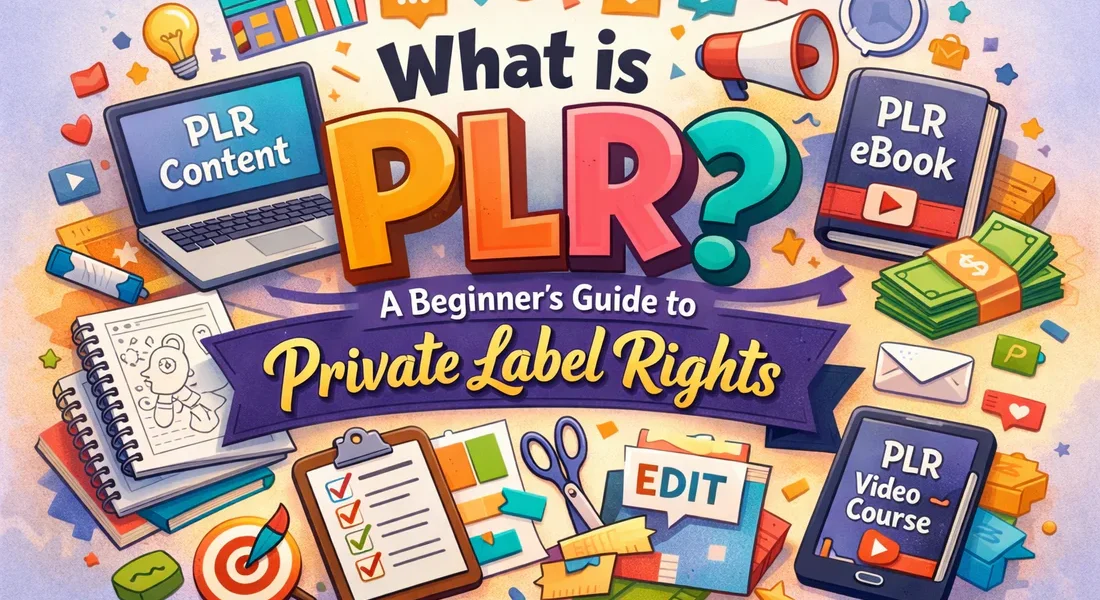
Private Label Rights, commonly known as PLR, refer to digital products that you can purchase and then modify, rebrand, and sell as your own. PLR products are typically created by professional writers, designers, or content creators and can include eBooks, articles, video courses, software, or graphics. When you buy a PLR product, you usually have the right to edit the content, change the branding, and repurpose it for various platforms. This flexibility makes PLR a popular option for those who want to quickly expand their digital product offerings without starting from scratch.
Master Resell Rights, on the other hand, give you the permission to sell a product and also pass on the resell rights to your customers. Unlike PLR, MRR products are generally sold as-is, with little or no modification allowed. Buyers of MRR products can resell them to their audience and even offer the same resell rights, creating a chain of sales. While MRR does not usually allow customization like PLR, it offers a simpler path for selling products quickly because there is no need to invest time in editing or branding.
Key Differences Between PLR and MRR
The primary difference between PLR and MRR lies in customization and control. PLR gives you full control over the product content. You can rewrite sections, add your branding, or combine multiple PLR products into a larger, more comprehensive package. This ability to personalize a product helps you create a unique offering that aligns with your brand identity and can differentiate you from competitors who may also have access to the same PLR products.
MRR products, however, are less flexible. Since you are typically selling the product as-is, your ability to differentiate it from other sellers is limited. This can lead to a more competitive market where multiple sellers offer the same product at similar prices. However, the advantage of MRR is speed to market. If your primary goal is to quickly generate sales without spending much time editing or creating, MRR can be an attractive option.
Another important difference is the potential for recurring revenue streams. PLR products can be transformed into membership content, online courses, or bundled packages that can continue generating income over time. MRR products are often sold as one-time purchases, which may limit long-term earning potential unless you continuously source new MRR products to sell.
Pros and Cons of PLR
The advantages of using PLR are significant. First, it saves time. Creating a high-quality digital product from scratch can take weeks or even months. With PLR, you can purchase ready-made content and customize it quickly. Second, PLR offers flexibility. You can modify the product to better fit your target audience, update outdated information, and even combine multiple PLR products to create a unique offering. Third, PLR can help establish authority in your niche. By carefully curating and improving PLR content, you can provide valuable resources that enhance your credibility and reputation.
However, PLR also has drawbacks. Because PLR products can be sold to multiple buyers, there is a risk of market saturation. If too many people are selling the same product without meaningful modifications, it can reduce its perceived value. Additionally, high-quality PLR products can be expensive, and poor-quality products may require significant editing before they are ready for sale. Success with PLR often depends on your ability to differentiate the content and market it effectively.
Pros and Cons of MRR
Master Resell Rights offer their own set of advantages. MRR products allow you to start selling immediately, making them ideal for beginners or those looking for quick revenue. The ability to pass on resell rights can also create a network effect, where buyers of your product become sellers themselves, potentially increasing your reach and sales volume.
On the downside, MRR products are often less flexible. You usually cannot make substantial changes to the content, which can make it harder to stand out in a crowded market. Additionally, the earning potential may be limited if the product is widely available or if competitors undercut your pricing. MRR works best when paired with effective marketing strategies and when the product fills a niche demand that has consistent interest.
How to Choose the Right Strategy
Choosing between PLR and MRR depends on your business goals, resources, and skill set. If your priority is creating a unique brand with high-value offerings, PLR is likely the better choice. It allows you to modify and improve products to suit your audience, offering opportunities for higher pricing and long-term revenue streams.
If speed to market and simplicity are your primary concerns, MRR may be more suitable. MRR products require minimal preparation, allowing you to start selling quickly. They are ideal for those who want to test a niche, experiment with marketing strategies, or generate immediate cash flow.
Many successful entrepreneurs use a combination of both strategies. They leverage PLR for building a signature product line and use MRR for supplementary products or lead magnets that attract new customers. This hybrid approach balances the advantages of customization and speed, creating a diversified digital product strategy.
Tips for Maximizing Success with PLR and MRR
Regardless of the strategy you choose, there are key practices that can help maximize success. For PLR products, focus on customization. Rewrite sections, add unique insights, and brand the product to make it stand out. Consider turning PLR content into multiple formats, such as video courses, email sequences, or interactive guides, to increase value and appeal.
For MRR products, emphasize marketing and distribution. Since the product itself cannot be easily modified, your success depends on how effectively you can reach your audience and present the product as a solution to their needs. Bundling MRR products with other offerings or providing bonuses can also enhance perceived value and attract more buyers.
Quality control is critical for both strategies. Whether you are selling PLR or MRR, ensure the content is accurate, well-designed, and relevant to your target audience. A high-quality product increases customer satisfaction, reduces refund requests, and boosts repeat sales.
Conclusion
Understanding the differences between PLR and Master Resell Rights is essential for anyone looking to build a successful digital product business. PLR offers flexibility, customization, and the potential for long-term revenue through unique offerings. MRR provides speed, simplicity, and the ability to resell without extensive preparation. The right strategy depends on your goals, your audience, and the resources you are willing to invest in product development and marketing.
By carefully evaluating your options and leveraging the strengths of each approach, you can create a digital product strategy that maximizes profits, builds your brand, and provides real value to your customers. PLR and MRR are both powerful tools when used wisely, and understanding how to apply them effectively is the key to long-term success in the digital marketplace.