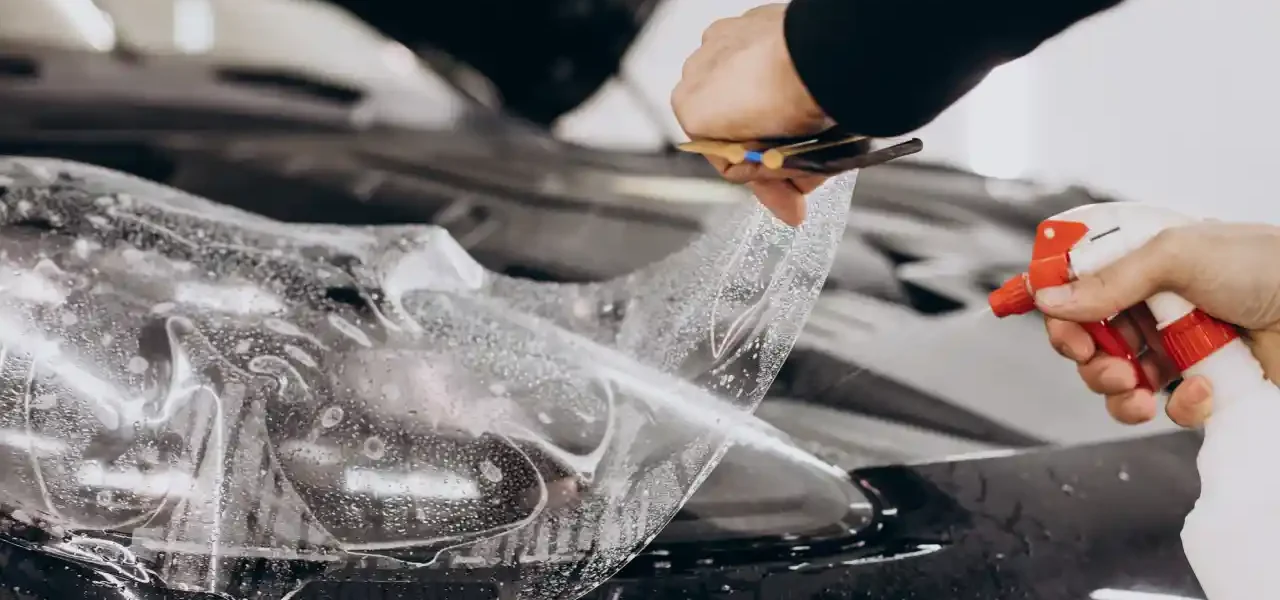

A car’s original paint is one of its most valuable visual features. Whether the vehicle is brand new or carefully maintained, everyday driving exposes its exterior to road debris, dust, insects, harsh weather, tree sap, bird droppings, and accidental scratches. Over time, these hazards can leave behind chips, marks, stains, and surface damage that reduce the vehicle’s appearance and potentially affect its resale value. One increasingly popular solution is paint protection film, a transparent protective layer designed to help preserve painted surfaces while allowing the original finish to remain visible.
Understanding Paint Protection Film
Paint protection film, commonly known as PPF, is a clear, flexible material applied to selected painted areas of a vehicle. Modern films are engineered to provide a barrier between the paint and many of the environmental hazards encountered during normal driving. Depending on the product, the film may offer resistance against minor scratches, stone chips, stains, and other forms of surface wear.
Unlike traditional car covers that protect a vehicle only when it is parked, paint protection film stays directly on the vehicle. It provides continuous protection while the car is being driven, washed, parked outdoors, or exposed to changing weather conditions.
The transparent nature of quality PPF means that it can protect the finish without significantly changing the vehicle’s original color. This makes it particularly appealing to owners who want to maintain a factory appearance rather than repaint or modify the exterior.
Why Original Paint Matters
Factory-applied automotive paint is designed to provide both visual appeal and protection for the underlying bodywork. Once that finish becomes heavily damaged, restoring it can require polishing, touch-ups, panel refinishing, or repainting.
Even small stone chips can become noticeable on frequently driven vehicles. Highway driving is particularly demanding because loose gravel and road debris can strike the front bumper, hood, mirrors, and fenders at considerable speed.
Protecting vulnerable areas early can reduce the need for cosmetic repairs later. For owners of luxury, performance, classic, or newly purchased vehicles, maintaining the original finish can be an important part of long-term vehicle care.
Areas That Benefit Most From Protection
Not every part of a vehicle experiences the same level of exposure. PPF is therefore commonly considered for areas that receive frequent impacts or contact.
Front Bumper and Hood
The front of a vehicle faces much of the debris thrown up by traffic. The bumper and leading section of the hood can be especially vulnerable to stone chips. Applying protective film to these areas can create an additional layer between road hazards and the paint.
Side Mirrors and Fenders
Side mirrors are exposed to road debris, while the front edges of fenders can experience impacts during everyday driving. These components can benefit from targeted protection.
Door Edges and High-Contact Areas
Door edges may encounter accidental contact with walls, neighboring vehicles, and other objects. Protective film can also be used in selected high-contact areas where minor scratches are more likely to occur.
Full-Body Coverage
Drivers seeking comprehensive protection can consider installing film across most or all painted exterior surfaces. Full coverage generally requires more material, preparation, installation time, and investment, but it provides a consistent protective layer throughout the vehicle.
How Paint Protection Film Works
The effectiveness of PPF comes from its physical barrier properties. When installed correctly, the film absorbs or distributes some of the force from minor impacts before the underlying paint is affected.
Many modern products also incorporate advanced surface technology designed to reduce the appearance of light scratches. Certain films can recover from minor surface marks when exposed to appropriate heat, such as sunlight or warm water, depending on the manufacturer’s specifications.
The film may also help make cleaning easier because its smooth surface can reduce the ability of certain contaminants to bond strongly with the paint. However, PPF is not indestructible, and severe impacts can still damage the film or the surface underneath.
Installation Is Just as Important as the Film
Choosing a high-quality product is only part of the protection process. Professional installation can have a major influence on the final appearance and performance of paint protection film.
Before application, the vehicle should be thoroughly cleaned and prepared. Dirt, dust, wax, or contaminants trapped beneath the film can affect its appearance and adhesion. Installers carefully position the material over the selected panels, manage edges and curves, and work to minimize visible seams.
Experienced installers also understand how to handle complex body shapes, sensors, trim pieces, and other vehicle-specific features. A well-installed film should look as unobtrusive as possible while maintaining strong surface coverage.
Maintenance After Installation
PPF does not eliminate the need for regular vehicle care. Proper maintenance helps preserve both the film and the appearance of the car.
Owners should follow the film manufacturer’s cleaning recommendations. Gentle washing methods are generally preferable to aggressive scrubbing or harsh chemicals that may affect the film’s surface. Removing bird droppings, insects, tree sap, and other contaminants promptly can also help prevent staining.
Automatic car washes vary considerably, so owners should check whether a particular washing system is suitable for their installed film. Regular inspections can help identify lifting edges, damage, or other issues before they become more noticeable.
Paint Protection Film Compared With Other Options
Vehicle owners have several ways to protect exterior finishes. Wax and paint sealants can improve gloss and provide a degree of surface protection, but they do not create the same physical barrier as PPF. Ceramic coatings can offer hydrophobic properties and help simplify cleaning, but they are primarily surface coatings rather than impact-resistant films.
PPF is especially useful when the primary goal is protection against physical damage such as minor chips and scratches. Some owners choose to combine PPF with a compatible coating to achieve both physical protection and easier maintenance.
The right solution depends on driving habits, budget, vehicle type, climate, and the level of protection desired.
A Practical Long-Term Investment
At first glance, installing protective film may seem like an optional expense. However, the cost should be considered alongside potential paint correction and repair expenses. Repainting damaged panels can be costly and may alter the vehicle’s original finish.
For someone planning to keep a vehicle for many years, protecting vulnerable areas from the beginning can be a practical investment. It may also be attractive to owners who care about maintaining the vehicle’s appearance for future resale or trade-in.
Choosing the Right Protection Strategy
Before installing PPF, vehicle owners should evaluate which panels are most exposed, how frequently the car is driven, and what environmental conditions it typically encounters. A daily highway commuter may prioritize front-end protection, while someone with a collector vehicle may prefer extensive coverage.
It is also important to consider film quality, warranty terms, installation expertise, maintenance requirements, and the appearance of the finished installation. A reputable installer should be able to explain coverage options and recommend a configuration suited to the particular vehicle.
Preserving the Finish From Day One
A vehicle’s original paint can be difficult and expensive to restore once significant damage occurs. Paint protection film offers a proactive approach by creating a transparent protective barrier over vulnerable painted surfaces. From reducing the visual impact of road debris to helping defend against everyday scratches and contaminants, PPF can make long-term exterior maintenance more manageable.
For drivers who value their vehicle’s factory appearance, investing in suitable protection early can be a smart part of an overall car-care strategy. With the right film, professional installation, and consistent maintenance, the original finish can remain attractive and well preserved for years of driving.