Curtain Wall Manufacturer: Delivering Innovative Solutions for Modern Building Designs

Modern architecture is increasingly focused on creating buildings that combine visual appeal, energy efficiency, durability, and functionality. One of the most important elements contributing to these goals is the curtain wall system. Commonly used in commercial buildings, office towers, hotels, shopping centers, and institutional structures, curtain walls provide an attractive exterior while protecting interiors from environmental conditions. Choosing an experienced curtain wall manufacturer is essential for achieving high-quality building facades that meet modern architectural and performance requirements.
A reliable manufacturer offers more than standard facade components. It provides technical knowledge, customized designs, quality materials, precise engineering, and dependable production processes. With advancements in construction technology, curtain wall systems have become increasingly sophisticated, offering architects and developers greater flexibility when designing modern structures.
Understanding Curtain Wall Systems
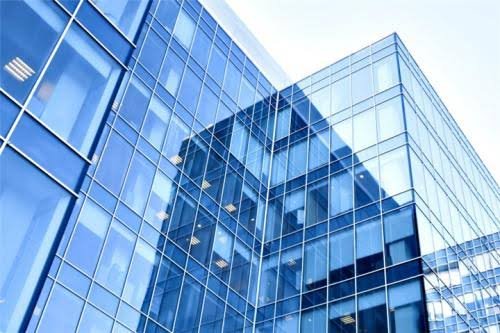
A curtain wall is a non-structural exterior building envelope typically made from lightweight materials such as aluminum, glass, and other specialized components. Unlike traditional exterior walls, it does not support the building’s floors or roof. Instead, it is attached to the structural framework and transfers its own weight and environmental loads to the main structure.
Curtain walls are designed to protect buildings from wind, rain, temperature changes, and external noise. At the same time, they allow natural daylight to enter interior spaces, helping create comfortable and visually appealing environments.
A professional curtain wall manufacturer develops systems that balance appearance, strength, insulation, and weather resistance. These systems can be customized to match different architectural styles, building dimensions, and project specifications.
The Importance of Choosing the Right Manufacturer
Selecting the right manufacturing partner can significantly influence the success of a construction project. Curtain wall systems require accurate measurements, specialized engineering, and careful material selection. Small production or installation errors can affect the facade’s appearance, performance, and long-term reliability.
An experienced curtain wall manufacturer understands the technical requirements involved in producing dependable facade solutions. It works with architects, consultants, contractors, and developers to ensure that the selected system meets the project’s design and performance objectives.
Engineering Expertise and Customization
Every building has different architectural and structural requirements. Some projects feature large glass surfaces, while others require complex shapes, decorative profiles, or specialized facade configurations.
Manufacturers with strong engineering capabilities can develop customized systems that accommodate these requirements. They evaluate factors such as building height, wind pressure, thermal movement, glass dimensions, and attachment methods before finalizing a design.
Customization also allows architects to achieve distinctive building appearances without compromising essential performance characteristics.
Consistent Product Quality
Quality control is another important consideration. Curtain wall components must be manufactured with precision so that frames, glazing materials, seals, and connections fit together correctly.
Reliable manufacturers use established production procedures and inspect components at different stages of manufacturing. Consistent quality helps reduce installation difficulties, minimize material waste, and support long-term facade performance.
Popular Types of Curtain Wall Systems
Different curtain wall systems are suitable for different construction requirements. Understanding the available options helps project teams select an appropriate solution.
Stick-Built Curtain Wall Systems
Stick-built systems are assembled at the construction site using individual components, including vertical mullions, horizontal transoms, and glass panels. This approach provides flexibility for projects with unusual shapes or specific installation conditions.
Because the components are assembled on-site, these systems may require more installation time and careful coordination. They are commonly considered for projects where site-specific adjustments are important.
Unitized Curtain Wall Systems
Unitized curtain walls consist of large prefabricated panels manufactured and assembled in a controlled factory environment. These units are transported to the construction site and installed onto the building structure.
Factory production can improve dimensional accuracy and quality consistency. It may also reduce installation time, particularly for large buildings with repetitive facade designs.
Structural Glazing Systems
Structural glazing systems use specialized adhesives or mechanical fixing methods to create smooth glass surfaces with minimal visible framing. They are often selected for buildings that require a clean, contemporary appearance.
These systems can produce impressive architectural effects while allowing natural light to enter interior spaces.
Materials That Support Performance and Durability
Material selection directly affects the strength, appearance, and lifespan of a curtain wall system. Aluminum is widely used because it is lightweight, corrosion-resistant, and suitable for creating complex frame profiles. Its strength-to-weight ratio makes it practical for many commercial facade applications.
Glass is another essential component. Depending on project requirements, manufacturers may use tempered glass, laminated glass, insulated glazing units, or other specialized glazing products. Each option offers different characteristics relating to safety, thermal performance, sound insulation, and appearance.
Seals, gaskets, fasteners, and insulation materials also contribute to overall performance. A knowledgeable curtain wall manufacturer considers how these components work together rather than evaluating each material separately.
Energy Efficiency and Sustainable Building Design
Energy efficiency has become a major priority in modern construction. Poorly designed building envelopes can contribute to excessive heat gain, heat loss, and increased heating or cooling requirements.
Modern curtain wall systems can help improve building energy performance through appropriate glazing selection, insulated framing, thermal breaks, and effective air and water sealing.
Managing Natural Light and Solar Heat
Large glass surfaces can maximize daylight and create attractive interior spaces. However, excessive solar heat can increase cooling demands, particularly in warm climates.
Manufacturers can recommend glazing configurations based on the building’s location, orientation, and intended use. Options such as solar-control glass and low-emissivity coatings can help balance daylight transmission with solar heat management.
Supporting Sustainable Construction
Durable materials, efficient production methods, and responsible material sourcing can contribute to more sustainable construction practices. Aluminum components may also contain recycled material, depending on the supplier and project specifications.
Well-designed curtain wall systems can support long building lifecycles by maintaining weather protection and reducing the need for premature facade replacement.
Modern Technology in Curtain Wall Manufacturing
Technological advancements have transformed the way curtain wall systems are designed and produced. Digital modeling tools allow engineering teams to examine facade geometry, identify potential conflicts, and coordinate components before manufacturing begins.
Building Information Modeling (BIM) can improve communication between architects, engineers, manufacturers, and construction teams. Detailed digital models help project participants understand dimensions, connections, and installation requirements.
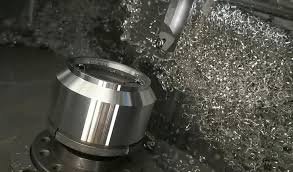
Automated cutting, machining, and fabrication equipment can also improve accuracy and production efficiency. These technologies help a curtain wall manufacturer manage complex projects while maintaining consistent manufacturing standards.
Quality testing is equally important. Depending on the system and project specifications, testing may evaluate structural performance, air leakage, water penetration, and other relevant characteristics.
Applications Across Different Building Types
Curtain wall systems are widely used in commercial and institutional construction because they provide design flexibility and functional benefits.
Office buildings often use glass curtain walls to create modern workplaces with access to natural daylight. Hotels and residential towers may incorporate customized facade designs to establish a distinctive architectural identity.
Shopping centers frequently use expansive glazed facades to improve visibility and create inviting entrances. Hospitals, educational institutions, airports, and public buildings may also use curtain wall systems where appearance, weather protection, and daylight management are important.
An experienced manufacturer considers the specific demands of each building type before recommending a suitable system.
What to Consider When Selecting a Curtain Wall Manufacturer
Before choosing a manufacturing partner, developers and contractors should evaluate several important factors. Previous project experience can demonstrate whether a manufacturer has handled buildings with similar dimensions and technical requirements.
Production capabilities should also be reviewed. A manufacturer should have suitable equipment, trained personnel, and quality management procedures to meet project specifications and delivery schedules.
Technical support is another valuable consideration. Reliable communication during design development, fabrication, transportation, and installation can help prevent misunderstandings and costly delays.
It is also important to clarify warranty conditions, material specifications, testing requirements, and applicable building standards. Comparing manufacturers based on overall quality and technical capability is more useful than considering price alone.
Conclusion
Curtain wall systems play an essential role in shaping modern buildings by combining architectural beauty with practical performance. They offer design flexibility, natural daylight, weather protection, and opportunities to improve energy efficiency when properly engineered and installed.
Choosing the right curtain wall manufacturer helps ensure that every component meets the project’s design, structural, and performance requirements. Through advanced engineering, quality materials, precise fabrication, and effective technical support, manufacturers contribute to the creation of durable and visually impressive building facades.
As construction technology continues to evolve, curtain wall solutions will remain an important part of contemporary architecture. Partnering with a knowledgeable manufacturer allows architects, developers, and contractors to transform creative building concepts into functional structures designed to perform over the long term.