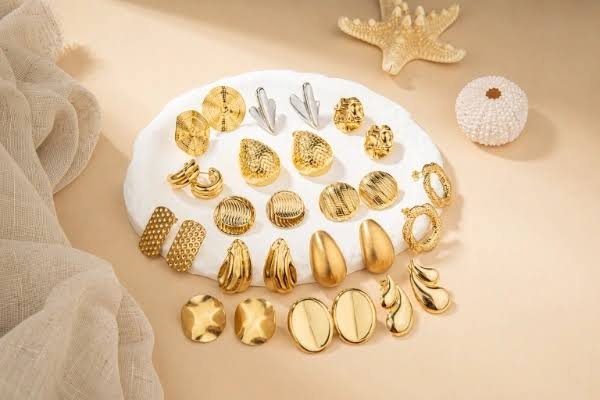
Custom Jewelry Manufacturer: Creating Unique Designs That Reflect Your Brand’s Identity

Introduction
In the competitive jewelry industry, creating distinctive products is essential for building a recognizable brand. Customers increasingly look for jewelry that reflects their personality, preferences, and individual style. For businesses, this creates an opportunity to develop exclusive collections that stand apart from mass-produced designs. Working with a professional custom jewelry manufacturer allows brands to transform creative concepts into high-quality products that represent their identity and meet customer expectations.
Custom jewelry manufacturing combines creativity, technical expertise, quality materials, and advanced production methods. From selecting gemstones to refining intricate details, every stage contributes to creating jewelry that communicates a brand’s values. Whether a business is launching a new collection or expanding an existing product range, choosing the right manufacturing partner can make a significant difference.
Understanding the Importance of Brand Identity in Jewelry Design
Brand identity is more than a logo, packaging style, or company name. It represents the personality, values, and visual characteristics that make a business recognizable. In jewelry, these elements can be expressed through distinctive shapes, materials, finishes, colors, and design details.
A consistent design approach helps customers associate particular styles with a specific brand. For example, a luxury jewelry company might focus on elegant silhouettes, precious metals, and sophisticated gemstone arrangements. Meanwhile, a contemporary brand may prefer minimalist designs, geometric patterns, and innovative combinations of materials.
A custom jewelry manufacturer helps businesses translate these characteristics into physical products. By understanding the brand’s target audience and creative direction, manufacturers can develop designs that maintain consistency across different collections.
Turning Creative Concepts Into Unique Jewelry Designs
Every successful jewelry collection begins with an idea. However, transforming an initial concept into a finished product requires careful planning, design development, and technical knowledge.
Initial Design Consultation
The manufacturing process typically begins with a detailed discussion about the brand’s requirements. Businesses share their design inspirations, preferred materials, target prices, production quantities, and expected product styles.
This consultation helps establish a clear direction for the collection. Manufacturers can also provide suggestions regarding design feasibility, material selection, and production techniques.
Concept Development and Sketching
Once the creative direction is established, designers develop sketches and visual concepts. These drawings help businesses understand how individual jewelry pieces may look before production begins.
The design stage may include experimenting with different shapes, stone arrangements, metal finishes, and decorative elements. This flexibility allows brands to create products that reflect their identity rather than relying on standard designs.
3D Modeling and Prototyping
Modern manufacturing technology makes it possible to create detailed digital models of jewelry designs. Three-dimensional modeling allows designers to examine proportions, dimensions, and structural details before manufacturing.
Prototypes provide an additional opportunity to evaluate the appearance, comfort, and functionality of a piece. Any necessary adjustments can be made before moving into full-scale production.
Selecting Materials That Represent Your Brand
Material selection plays an important role in determining the appearance, durability, and overall value of jewelry. Different materials communicate different qualities, making it essential to choose options that align with the brand’s positioning.
Precious and Alternative Metals
Gold, silver, and platinum remain popular choices for jewelry collections. Their appearance, durability, and market recognition make them suitable for different product categories.
Some brands also explore stainless steel, brass, and other alternative metals to create affordable and contemporary collections. The right choice depends on the intended design, customer preferences, and pricing strategy.
Gemstones and Decorative Elements
Gemstones can add color, personality, and visual appeal to jewelry. Diamonds, sapphires, emeralds, and other natural stones are commonly used in premium collections. Lab-grown gemstones and carefully selected decorative materials can also support different creative and commercial goals.
A reliable manufacturer helps businesses evaluate gemstone quality, consistency, sizing, and placement to achieve the desired result.
Finishes and Custom Details
Surface treatments and finishing techniques can make a significant difference in the final appearance of jewelry. Polished, matte, brushed, textured, and plated finishes each create a distinctive visual effect.
Custom engravings, signature patterns, unique clasps, and personalized settings can further strengthen brand recognition.
Maintaining Quality Throughout the Manufacturing Process
High-quality craftsmanship is essential for developing customer trust and protecting a brand’s reputation. Even an attractive design can fail to meet expectations if the finished product lacks durability or attention to detail.
A professional custom jewelry manufacturer follows structured quality-control procedures throughout production. These may include checking raw materials, examining individual components, evaluating gemstone settings, and inspecting finished products.
Important quality considerations include:
- Material verification: Confirming that metals and gemstones meet the agreed specifications.
- Design accuracy: Ensuring finished products match approved drawings and prototypes.
- Structural durability: Checking clasps, joints, settings, and connecting components.
- Surface finishing: Inspecting polishing, plating, engraving, and other decorative details.
- Final inspection: Reviewing each piece before packaging and delivery.
Consistent quality standards help businesses deliver products that meet customer expectations and encourage repeat purchases.
Benefits of Working With a Custom Jewelry Manufacturer
Partnering with an experienced manufacturing company offers several advantages for jewelry brands.
Greater Creative Freedom
Custom manufacturing gives businesses control over product development. Instead of selecting from existing collections, brands can create original designs that reflect their creative vision.
Stronger Brand Recognition
Distinctive jewelry designs help businesses establish a recognizable identity. Signature elements and consistent styling make collections easier for customers to identify.
Flexible Product Development
Manufacturers may support different product categories, including rings, necklaces, bracelets, earrings, and pendants. This flexibility allows brands to expand their collections while maintaining a consistent design language.
Better Production Planning
An established manufacturing partner can help coordinate materials, production schedules, sampling, and quality inspections. Clear communication throughout these stages supports more efficient operations.
Opportunities for Long-Term Growth
As a jewelry business develops, its manufacturing requirements may change. A dependable partner can help manage new designs, larger production quantities, and additional product categories as the brand expands.
The Role of Technology in Modern Jewelry Manufacturing
Technology has transformed the way jewelry is designed and produced. Computer-aided design software allows manufacturers to create precise models, while advanced casting and production equipment can improve consistency and accuracy.
Three-dimensional printing is particularly useful for developing prototypes and evaluating complex designs. It allows manufacturers to test shapes and proportions before committing to larger production runs.
Technology also supports better communication between brands and manufacturing teams. Digital design files, sample images, and technical specifications help reduce misunderstandings and make revisions easier.
Although technology improves efficiency, skilled craftsmanship remains essential. Experienced artisans bring attention to detail and practical knowledge that help transform digital concepts into finished jewelry.
How to Choose the Right Manufacturing Partner
Selecting a suitable manufacturing company requires more than comparing prices. Businesses should evaluate experience, production capabilities, communication practices, and quality standards.
Start by reviewing the manufacturer’s portfolio to understand its design capabilities and previous projects. Ask about material sourcing, customization options, minimum order quantities, sampling procedures, and estimated production timelines.
It is also important to understand how the manufacturer handles confidential designs and intellectual property. Appropriate agreements can help protect original concepts and prevent unauthorized use.
Before placing a large order, consider requesting samples. Evaluating actual products provides a better understanding of craftsmanship, material quality, finishing, and overall consistency.
Clear communication is equally important. A reliable partner should understand the brand’s objectives, explain production limitations, and provide updates throughout the manufacturing process.
Building a Distinctive Jewelry Collection for the Future
The jewelry market continues to evolve as consumer preferences, design trends, and manufacturing technologies change. Brands that invest in originality and consistent product quality are better positioned to develop lasting customer relationships.
Working with a capable custom jewelry manufacturer gives businesses the opportunity to explore new designs, experiment with materials, and develop collections that reflect their identity. From the first sketch to the final inspection, every manufacturing decision contributes to the overall customer experience.
Conclusion
Creating jewelry that reflects a brand’s identity requires creativity, technical expertise, careful material selection, and consistent craftsmanship. A professional manufacturing partner brings these elements together to turn unique concepts into market-ready products.
By prioritizing original designs, reliable quality control, modern production techniques, and effective communication, jewelry businesses can build distinctive collections that appeal to their target audiences. Choosing the right custom jewelry manufacturer is therefore an important investment in brand recognition, customer satisfaction, and long-term business growth.