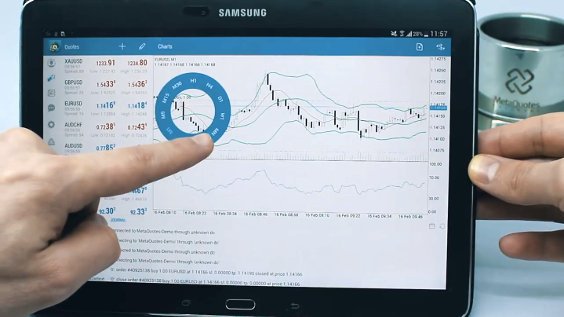
MT4 Beginner Guide: Essential Steps to Start Your Forex Trading Journey with Confidence

Introduction
Entering the forex market can be an exciting opportunity for individuals interested in global financial markets. However, beginners often face challenges when learning how currency trading works, understanding market movements, and using professional trading software. MetaTrader 4 (MT4) is one of the most widely used trading platforms because of its user-friendly interface, advanced charting features, and extensive trading tools. This MT4 beginner guide explains the essential steps required to get started, understand the platform, and develop a more structured approach to forex trading.
Whether you are completely new to currency trading or have some basic market knowledge, learning how to use MT4 can help you become more familiar with trading operations. Building confidence requires patience, education, risk management, and consistent practice rather than rushing into live trades.
Understanding What MetaTrader 4 Is
MetaTrader 4, commonly known as MT4, is an electronic trading platform designed primarily for forex and other financial instruments offered by supported brokers. It allows traders to analyze price movements, place orders, monitor positions, and manage trading accounts from a single interface.
The platform is popular among beginners and experienced traders because it combines essential trading functions with customizable tools. Users can access real-time price charts, technical indicators, drawing tools, and automated trading features.
Key Features of MT4
Several features make MT4 useful for learning and participating in forex trading:
- Live Price Charts: Monitor currency pair movements through different chart types and timeframes.
- Technical Indicators: Use tools such as Moving Averages, Relative Strength Index (RSI), and MACD to study market conditions.
- Multiple Order Types: Open and manage trades using market orders and pending orders.
- Expert Advisors: Use automated trading programs to execute strategies according to predefined rules.
- Risk Management Tools: Set stop-loss and take-profit levels to manage potential trading outcomes.
- Customizable Interface: Arrange charts, indicators, and trading windows according to personal preferences.
Understanding these features provides a strong foundation before placing your first trade.
Step 1: Choose a Reliable Forex Broker
Before accessing MT4, you need to select a forex broker that supports the platform. A broker provides access to financial markets and handles the execution of your trading orders.
Choosing a reliable broker is one of the most important decisions for a beginner. Not every broker offers the same trading conditions, account features, or customer support.
Consider the following factors when comparing brokers:
- Regulation: Check whether the broker is authorized by a recognized financial regulator in its operating jurisdiction.
- Trading Costs: Review spreads, commissions, overnight financing charges, and other applicable fees.
- Account Types: Compare available account options and their minimum deposit requirements.
- Execution Quality: Understand the broker’s order execution policies and potential slippage.
- Customer Support: Look for accessible support channels and helpful educational resources.
- Withdrawal Policies: Review the terms, processing times, and payment methods for withdrawals.
Avoid choosing a broker based only on promotional offers or promises of guaranteed profits. Take time to investigate its reputation and legal status.
Step 2: Download and Install the MT4 Platform
After selecting a suitable broker, visit its official website to download the correct version of MetaTrader 4. The platform is available for supported desktop and mobile devices.
Follow these basic installation steps:
- Visit your broker’s official website.
- Locate its MT4 trading platform download section.
- Select the version compatible with your device.
- Download and install the application.
- Open MT4 after installation.
- Log in using the trading account credentials supplied by your broker.
Once connected, the platform should display available market information and trading tools.
Always download the software from an official or trusted source to reduce the risk of installing modified applications.
Step 3: Open a Demo Trading Account
A demo account is one of the best starting points for anyone following an MT4 beginner guide. It allows new traders to explore the platform using virtual funds instead of risking real money.
Demo trading provides an opportunity to understand how orders work, how prices fluctuate, and how different trading strategies perform under market conditions.
Beginners should use a demo account to practice:
- Opening and closing positions.
- Selecting different currency pairs.
- Setting stop-loss and take-profit levels.
- Reading price charts.
- Applying technical indicators.
- Understanding spreads and trading costs.
- Monitoring account balance and equity.
Although demo accounts provide valuable experience, simulated trading may differ from live trading because real money can introduce emotional pressure and different execution conditions.
Spend enough time practicing before considering a live account.
Step 4: Learn How to Read MT4 Charts
Charts are essential for understanding forex market movements. MT4 offers several chart formats, including line charts, bar charts, and candlestick charts.
Candlestick charts are particularly popular because they display information about opening, closing, highest, and lowest prices within a selected period.
Understanding Timeframes
MT4 provides multiple timeframes, ranging from one-minute charts to monthly charts. Each timeframe offers a different perspective on market activity.
For example:
- M1 displays one-minute price movements.
- M5 displays five-minute price movements.
- H1 displays hourly price movements.
- H4 displays four-hour price movements.
- D1 displays daily price movements.
Shorter timeframes can show frequent price changes, while longer timeframes help traders examine broader market trends.
Beginners should experiment with different timeframes to understand how market behavior changes across trading periods.
Step 5: Understand Basic Technical Indicators
Technical indicators help traders evaluate price movements and identify possible market trends. MT4 includes several built-in indicators that beginners can explore.
Moving Average
Moving Average calculates the average price over a selected period. It can help identify the general direction of a market trend and reduce the effect of short-term price fluctuations.
Relative Strength Index
The Relative Strength Index, commonly called RSI, measures the speed and magnitude of recent price movements. It ranges from 0 to 100 and is frequently used to examine potentially overbought or oversold conditions.
Moving Average Convergence Divergence
MACD is a momentum indicator that compares moving averages to help traders evaluate changes in market momentum and possible trend developments.
These indicators should not be treated as guaranteed signals. Their effectiveness depends on market conditions, strategy design, and other supporting information.
Step 6: Place Your First Forex Trade
Once you understand the platform and have practiced with a demo account, you can learn how to execute a trade.
Start by selecting a currency pair from the Market Watch window. Major currency pairs, such as EUR/USD and GBP/USD, are commonly studied by forex beginners because they receive substantial market attention.
To open a basic market order:
- Select your preferred currency pair.
- Open the New Order window.
- Choose an appropriate trade volume.
- Decide whether to buy or sell.
- Set stop-loss and take-profit levels where appropriate.
- Review the order details.
- Confirm the trade.
A buy position generally benefits when the selected currency pair rises, while a sell position generally benefits when it falls.
Before placing any order, understand the potential loss, transaction costs, and amount of capital exposed to market risk.
Step 7: Practice Effective Risk Management
Risk management is one of the most important aspects of successful trading. Even experienced traders experience losing positions, so protecting trading capital should always remain a priority.
Consider these basic risk management practices:
- Avoid risking money you cannot afford to lose.
- Use stop-loss orders to help limit potential losses.
- Avoid excessive leverage.
- Calculate position sizes before entering trades.
- Do not increase trade volume simply to recover previous losses.
- Maintain a trading journal to review decisions.
- Avoid making impulsive trades during periods of emotional stress.
Beginners often focus heavily on finding profitable strategies while overlooking the importance of controlling losses. A disciplined approach can help prevent small mistakes from becoming significant financial problems.
Step 8: Develop a Simple Trading Strategy
A trading strategy provides a structured framework for making decisions. Instead of entering positions randomly, beginners should establish clear conditions for opening and closing trades.
A basic strategy may include identifying the market trend, checking technical indicators, selecting an entry point, and determining acceptable risk before placing an order.
For example, a beginner might study moving averages to identify market direction and use RSI to evaluate momentum. However, the strategy should be tested on historical data and practiced through demo trading before being considered for live use.
Keep your initial approach simple. Using too many indicators can create confusion and lead to conflicting trading signals.
Common Mistakes MT4 Beginners Should Avoid
New traders can improve their learning experience by recognizing common mistakes early.
Trading Without a Plan: Entering positions without defined entry and exit conditions can lead to inconsistent decisions.
Using Excessive Leverage: High leverage increases market exposure and can magnify losses.
Ignoring Economic News: Important economic announcements can create sudden price movements and increased volatility.
Overtrading: Opening too many positions can increase transaction costs and unnecessary risk.
Expecting Quick Profits: Forex trading requires education, practice, and realistic expectations. Consistent profits are never guaranteed.
Learning from mistakes is an important part of developing better trading habits.
Conclusion
Getting started with forex trading becomes easier when beginners understand their platform, practice essential skills, and follow a disciplined learning process. MT4 provides useful tools for analyzing currency pairs, managing orders, applying indicators, and monitoring trading activity.
This MT4 beginner guide highlights the essential steps, from selecting a reliable broker and installing the software to practicing with a demo account and developing effective risk management habits.
The most important principle is to prioritize education and preparation over quick financial results. Take time to understand market behavior, test strategies carefully, and make informed decisions. With consistent practice and realistic expectations, beginners can build a stronger understanding of MT4 and become more confident in navigating the forex market. Remember that forex trading involves substantial risk and that losses are possible, including the loss of your entire trading capital.