Sterling Silver Jewelry Factory: How to Choose a Reliable Partner for Premium Jewelry Production

The quality of jewelry plays an important role in building a successful brand and earning customer trust. Whether a business sells everyday accessories, luxury collections, or personalized jewelry, choosing the right manufacturing partner is essential. A reliable sterling silver jewelry factory can help businesses transform creative designs into high-quality products while maintaining consistency, competitive pricing, and efficient production. However, selecting the right factory requires careful research and an understanding of different manufacturing capabilities.
From material selection and product design to quality inspections and packaging, every stage of production influences the final product. Businesses that establish strong relationships with experienced manufacturers can improve product quality, expand their collections, and develop a competitive position in the jewelry market.
Understanding the Importance of a Professional Jewelry Manufacturing Partner
A professional jewelry manufacturer does more than produce individual pieces. It supports businesses throughout the manufacturing process by offering technical expertise, production facilities, skilled workers, and quality management systems.
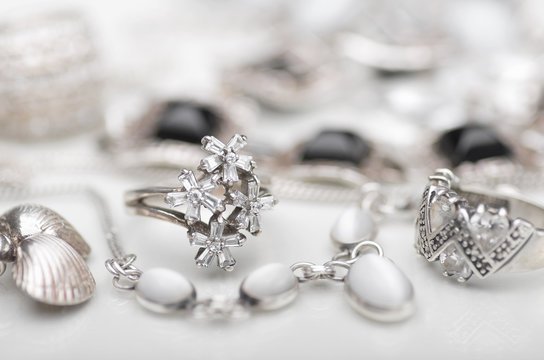
Sterling silver jewelry is popular because of its attractive appearance, durability, versatility, and timeless appeal. Genuine sterling silver typically contains 92.5% pure silver and 7.5% other metals, commonly copper, which improves its strength and durability.
Working with an experienced factory helps businesses ensure that their jewelry meets appropriate material and production standards. Manufacturers with established processes can also help reduce production errors and maintain consistent product quality across different orders.
For jewelry brands, finding a dependable manufacturing partner is particularly important when developing long-term collections or serving customers with specific design expectations.
Evaluate the Factory’s Manufacturing Experience
One of the first factors to consider when selecting a sterling silver jewelry factory is its manufacturing experience. A company with extensive industry knowledge is generally better equipped to understand different design requirements, production challenges, and material specifications.
Review the manufacturer’s previous projects, product categories, and portfolio. Look for experience producing rings, necklaces, bracelets, earrings, pendants, and other sterling silver accessories.
An experienced factory should also understand different manufacturing techniques, including casting, stamping, soldering, polishing, engraving, and stone setting. These capabilities allow manufacturers to produce jewelry with different shapes, finishes, and levels of complexity.
Ask potential suppliers about their production history and the types of customers they serve. Request product samples whenever possible to evaluate their craftsmanship directly.
A strong portfolio supported by consistent product quality can provide valuable insight into whether a manufacturer is suitable for your business.
Check the Quality of Materials Used in Production
Material quality is one of the most important considerations in sterling silver jewelry manufacturing. Even an attractive design may fail to satisfy customers if the materials used are unreliable or do not meet the stated specifications.
A trustworthy factory should provide clear information about its silver composition and material sourcing practices. Genuine 925 sterling silver contains 92.5% silver, making it a widely recognized material for premium jewelry production.
Businesses should also ask whether the manufacturer conducts material verification and maintains appropriate quality documentation.
In addition to silver purity, consider the quality of other components, including gemstones, clasps, chains, decorative elements, and protective coatings.
Some jewelry products receive additional treatments, such as rhodium plating, to improve their appearance and provide a protective surface. Manufacturers should explain the available finishing options and their suitability for different product designs.
Choosing quality materials helps businesses create attractive, durable jewelry that meets customer expectations.
Explore Customization and Design Capabilities
Product differentiation is essential for jewelry brands operating in competitive markets. Customers increasingly appreciate distinctive designs, personalized details, and collections that reflect individual styles.
A capable manufacturing partner should offer customization services that support different creative requirements.
These services may include:
- Custom jewelry design and development.
- Personalized engraving and lettering.
- Unique shapes, patterns, and decorative details.
- Different chain lengths and jewelry dimensions.
- Customized gemstone arrangements.
- Special surface finishes and plating options.
- Private-label branding and packaging.
Before choosing a manufacturer, discuss your design concepts and ask whether the factory can convert them into accurate production samples.
Computer-aided design (CAD) technology can be particularly useful because it allows manufacturers to develop detailed digital jewelry models before physical production begins.
This process helps identify design issues, improve proportions, and reduce unnecessary manufacturing adjustments.
A factory with strong customization capabilities can support brands in developing exclusive collections that stand apart from standard market offerings.
Examine Production Capacity and Manufacturing Efficiency
Production capacity is another important factor when comparing jewelry manufacturing partners. Businesses need suppliers that can handle their current requirements while supporting future growth.
Ask about the factory’s production facilities, workforce, equipment, and average manufacturing timelines.
A manufacturer should be able to explain its production capacity and whether it can accommodate both small customized orders and larger wholesale requirements.
Efficient production management also helps reduce delays and maintain consistent product availability.
However, choosing a factory based only on its production volume is not recommended. A large facility does not automatically guarantee superior craftsmanship or reliable service.
Instead, evaluate the balance between production capacity, technical expertise, quality control, and communication.
A dependable manufacturer should provide realistic delivery estimates and communicate potential production challenges before they affect your business operations.
Review Quality Control Procedures
Quality control is essential for maintaining customer satisfaction and protecting a jewelry brand’s reputation. Small manufacturing defects can affect the appearance, comfort, and durability of finished products.
A professional sterling silver jewelry factory should have quality inspection procedures throughout the manufacturing process.
These inspections may cover material verification, design accuracy, dimensions, soldering quality, stone placement, surface finishing, and final appearance.
The factory should also inspect completed products before packaging and shipment.
When reviewing a potential supplier, ask how it handles defective items, production inconsistencies, and customer complaints.
It is also helpful to request samples from different production batches to determine whether the manufacturer maintains consistent standards.
Reliable quality management reduces the possibility of receiving damaged, incorrectly finished, or poorly manufactured jewelry.
Compare Pricing and Minimum Order Quantities
Pricing is an important consideration, particularly for startups and growing jewelry businesses. However, selecting the cheapest manufacturer may result in unexpected quality problems or additional expenses.
Request detailed quotations from multiple factories and compare their pricing structures.
Manufacturing costs may depend on several factors, including:
- Silver weight and current material costs.
- Design complexity and production techniques.
- Gemstone selection and additional components.
- Surface finishing and plating requirements.
- Order quantity and customization level.
- Packaging and shipping arrangements.
Minimum order quantities (MOQs) should also be discussed before placing an order. Some factories specialize in large-scale production, while others accommodate smaller orders for emerging brands.
A transparent manufacturer should explain all relevant costs, payment terms, sampling charges, and possible additional fees.
The objective should be to find a supplier that offers an appropriate balance between affordability and product quality.
Assess Communication and Customer Support
Clear communication is essential when managing jewelry production, especially when working with international suppliers.
A reliable manufacturer should respond professionally to questions, provide accurate information, and communicate important production updates.
During the initial discussions, evaluate how effectively the factory understands your requirements. A good manufacturing partner should ask relevant questions about designs, materials, quantities, finishing preferences, and delivery expectations.
Communication should continue throughout sampling, production, inspection, and shipping.
It is also important to establish clear agreements regarding revisions, production delays, payment schedules, and quality concerns.
Strong communication helps prevent misunderstandings and creates a more productive business relationship.
Consider Private-Label and Branding Services
For businesses planning to establish their own jewelry brands, private-label manufacturing can provide significant advantages.
Many factories offer branding services that allow businesses to customize jewelry products with their own logos, packaging, and presentation materials.
These services may include engraved brand marks, customized jewelry boxes, branded pouches, product labels, and personalized packaging designs.
Consistent branding helps businesses create a recognizable identity and deliver a professional customer experience.
Before selecting a supplier, confirm whether it can meet your branding requirements and maintain consistency across different product collections.
Discuss logo placement, packaging materials, customization costs, and intellectual property protections before beginning production.
Build a Long-Term Manufacturing Partnership
Choosing a jewelry manufacturer should be viewed as a long-term business decision rather than a one-time purchasing arrangement.
A reliable partner can help businesses introduce new designs, improve production processes, manage changing order volumes, and respond to evolving customer preferences.
Start with a manageable order to evaluate the factory’s performance. Assess product quality, delivery reliability, communication, and overall service before increasing production quantities.
Maintain clear documentation of product specifications, approved samples, material requirements, and manufacturing agreements.
Regular communication and constructive feedback can strengthen the relationship and improve future production outcomes.
Conclusion
Selecting the right sterling silver jewelry factory requires careful consideration of manufacturing experience, material quality, customization capabilities, production capacity, pricing, and quality control.
Businesses should prioritize manufacturers that demonstrate transparency, technical expertise, reliable communication, and consistent craftsmanship.
By evaluating potential suppliers carefully and starting with product samples or smaller orders, jewelry brands can reduce manufacturing risks and make more informed decisions.
Ultimately, the right manufacturing partner can help transform creative ideas into premium jewelry collections, strengthen brand credibility, and support sustainable business growth in the competitive jewelry industry.