Water damage can strike unexpectedly, whether due to natural disasters, plumbing issues, or appliance failures. Timely action and proper strategies are critical to minimize damage and prevent long-term consequences. Implementing effective water damage restoration measures not only protects your property but also safeguards your health and finances. This article explores essential tips to ensure your home or business withstands water-related emergencies.
Understanding Water Damage
Before diving into restoration, it’s important to understand the types and causes of water damage. Water damage can be categorized into three main classes: clean water, gray water, and black water. Clean water comes from safe sources like taps or rain and is generally less hazardous. Gray water originates from sources such as dishwashers or washing machines and may contain chemicals or bacteria. Black water is the most dangerous, including sewage or floodwater contaminated with pathogens. Recognizing the type of water damage is critical for choosing the right restoration approach.
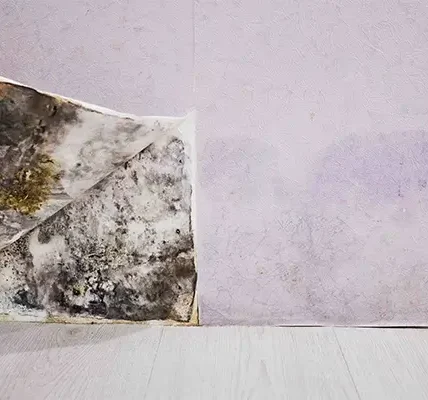
Water damage can affect multiple areas of your property, including walls, floors, furniture, and electrical systems. If left untreated, it can lead to mold growth, structural weakening, and costly repairs. This makes quick intervention a priority for effective water damage restoration.
Immediate Response After Water Damage
Acting fast is essential to mitigate damage. Here are the first steps to take:
- Ensure Safety First
Turn off electricity and gas to prevent accidents. Avoid contact with standing water if it may be contaminated, especially in cases of black water. Wearing protective gear such as gloves and boots is recommended. - Stop the Source of Water
Identify and halt the source of water if possible. For plumbing leaks, shut off the main water supply. In the case of flooding, use sandbags or barriers to redirect water and minimize entry into your property. - Remove Valuables and Essential Items
Relocate important documents, electronics, and furniture to a dry area. Early action helps preserve valuable items and prevents irreparable damage. - Document the Damage
Take photos and videos of affected areas for insurance claims. Proper documentation ensures you can receive adequate coverage and supports professional restoration efforts.
Drying and Dehumidifying
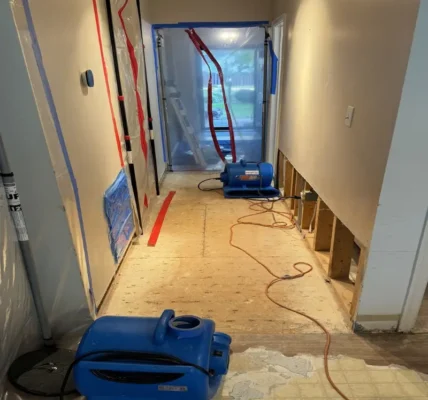
Once immediate risks are addressed, drying your property becomes the next critical step in water damage restoration. Water trapped in walls, floors, and furniture can lead to mold growth within 24–48 hours.
- Ventilation and Airflow
Open windows and doors to increase ventilation. Use fans strategically to circulate air and speed up drying. Avoid direct heat on wet materials, as it may cause warping or cracking. - Use Dehumidifiers
A dehumidifier helps remove moisture from the air and accelerates the drying process. For extensive water damage, industrial-grade dehumidifiers may be required. Monitoring humidity levels ensures that materials dry thoroughly and prevents mold development. - Remove Wet Materials
Carpets, rugs, and water-soaked furniture should be removed promptly. If these items cannot be dried completely, it may be safer to discard them to avoid mold contamination.
Cleaning and Sanitizing
Water damage often leaves behind contaminants and debris, especially in cases of gray or black water. Proper cleaning and sanitization are crucial steps in water damage restoration.
- Disinfect Surfaces
Use appropriate cleaning agents to disinfect floors, walls, and other surfaces. This prevents bacterial growth and reduces the risk of illness. - Mold Prevention
Mold can begin developing quickly after water exposure. Apply antimicrobial solutions to susceptible areas, particularly wood, drywall, and insulation. Inspect hidden areas such as under carpets, behind cabinets, and inside wall cavities for early signs of mold. - Clean Personal Belongings
Electronics, documents, and furniture may need specialized cleaning. Consult professional water damage restoration services for items that require delicate handling to prevent further damage.
Professional Water Damage Restoration
While some minor water damage can be managed by homeowners, professional water damage restoration ensures thorough cleanup and long-term protection. Licensed restoration experts bring advanced tools and expertise to handle complex situations.
- Advanced Equipment
Professionals use moisture meters, infrared cameras, and industrial-strength drying equipment to detect and remove hidden water. This ensures every affected area is properly treated. - Structural Assessment
Water can weaken structural elements such as beams, flooring, and foundations. A professional restoration team evaluates damage and recommends necessary repairs, preventing future hazards. - Insurance Assistance
Certified water damage restoration services can help document damage for insurance claims. Their detailed reports and evidence increase the likelihood of successful claim processing, reducing financial stress.
Preventing Future Water Damage
Water damage restoration is not just about fixing existing issues; it also includes preventing future problems. Regular maintenance and proactive measures help protect your property from repeated incidents.
- Inspect Plumbing and Appliances
Regularly check pipes, faucets, water heaters, and appliances for leaks or wear. Promptly repair or replace faulty components to prevent water leaks. - Improve Drainage Systems
Ensure gutters, downspouts, and drainage systems direct water away from your property. Proper landscaping and grading reduce flood risks during heavy rainfall. - Install Water Detection Devices
Leak detection sensors and automatic shut-off systems can alert homeowners to water leaks early, minimizing damage. Modern smart home technology allows remote monitoring for added peace of mind. - Routine Maintenance Checks
Inspect basements, attics, and crawl spaces for signs of moisture or water intrusion. Address minor problems before they escalate into major water damage events.
Conclusion
Water damage can be devastating, but timely and effective water damage restoration strategies protect your property and reduce long-term costs. Understanding the types of water damage, responding quickly, thoroughly drying and cleaning affected areas, and consulting professional restoration services are essential steps. Additionally, proactive measures such as regular inspections, improved drainage, and water detection devices help prevent future incidents. By implementing these tips, homeowners can safeguard their property, maintain structural integrity, and ensure a safe and healthy living environment.
Water damage restoration is not merely about cleaning water; it is a comprehensive approach that combines safety, efficiency, and prevention. Prioritizing restoration and protection equips property owners with the tools and knowledge needed to navigate water-related emergencies effectively.