
Floods can strike without warning, leaving homeowners facing waterlogged floors, damaged belongings, and a daunting restoration process. Understanding how to approach flood damage restoration is essential for minimizing losses and ensuring the safety of your home. This guide provides expert advice to help homeowners navigate the complex steps of recovery.
Understanding Flood Damage
Flood damage restoration begins with understanding the types of water that can invade your home. Water is categorized into three types: clean water, gray water, and black water. Clean water originates from rain or broken pipes and is relatively safe to handle. Gray water comes from dishwashers, washing machines, or sink overflows and may contain contaminants. Black water is highly hazardous, coming from sewage backups or floodwaters that have picked up toxins and bacteria. Identifying the water type is crucial because it determines the level of protection and cleaning procedures needed during flood damage restoration.
Immediate Steps After a Flood
Safety is the first priority. Ensure all family members and pets are safe, and avoid entering areas submerged in water if the electricity is still on. Shut off the main power supply if accessible. Document the damage with photographs or video; this documentation is essential for insurance claims. Next, contact a professional flood damage restoration service to assess the situation. Acting quickly helps prevent further structural damage and mold growth.
Water Extraction and Drying
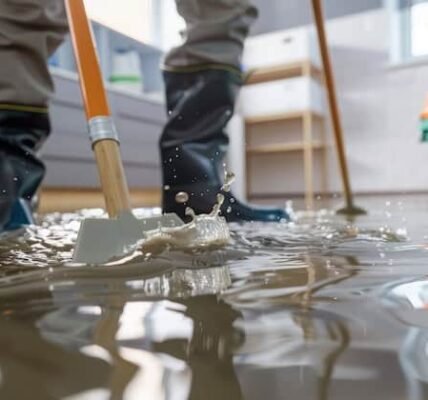
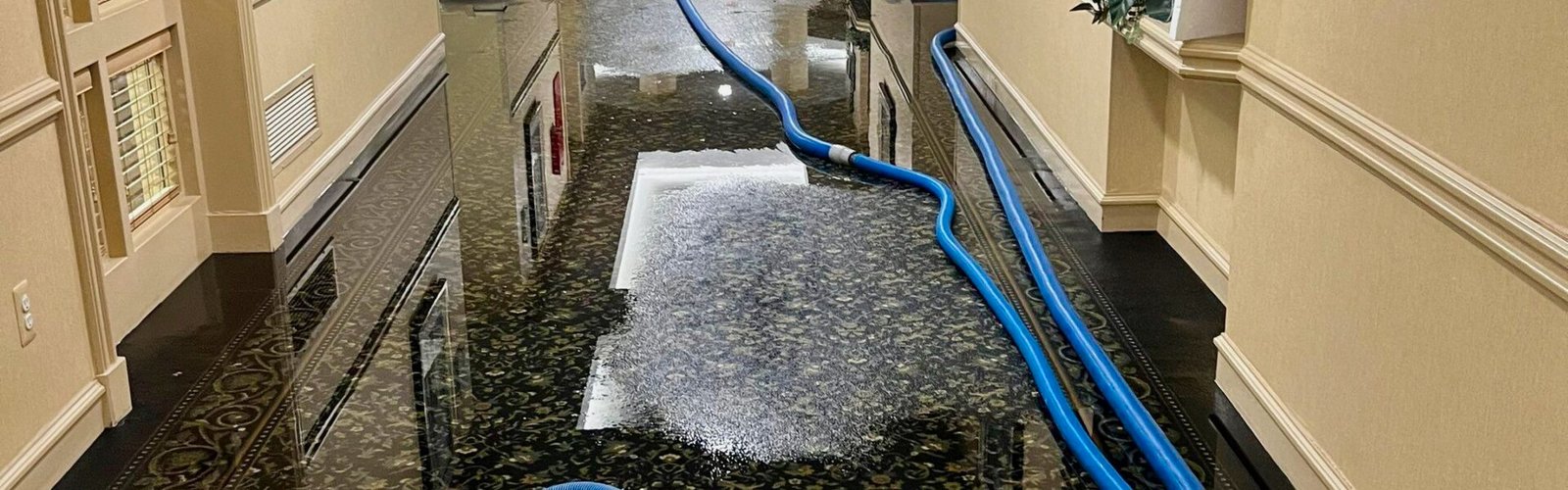
One of the most critical stages in flood damage restoration is water extraction. Professionals use high-powered pumps and vacuums to remove standing water quickly. After extraction, the drying process begins using dehumidifiers, fans, and air movers. Proper drying prevents long-term damage such as warping of floors and walls and helps inhibit mold growth. Depending on the severity of the flood, this step can take several days and requires careful monitoring of moisture levels.
Cleaning and Sanitizing
Once water is removed, thorough cleaning and sanitizing are necessary. Floodwaters often carry bacteria, mold spores, and chemicals that can pose health risks. Flood damage restoration professionals use industrial-grade cleaning solutions to disinfect affected areas. Carpets, upholstery, and other porous materials may require special treatment or removal if contamination is severe. Additionally, household items such as electronics and furniture should be evaluated for salvageability.
Mold Prevention
Mold can begin growing within 24 to 48 hours after water exposure, making timely action critical. Flood damage restoration experts emphasize the importance of drying, cleaning, and applying antifungal treatments. Walls, floors, and hidden areas like behind cabinets or under carpets should be inspected. Homeowners should also monitor for signs of mold over the following weeks, including musty odors, discoloration, or health symptoms such as respiratory issues.
Structural Repairs
After water removal and cleaning, the focus shifts to restoring the structural integrity of the home. Flood damage restoration may include replacing drywall, flooring, and insulation, as well as repairing electrical and plumbing systems. Working with licensed contractors ensures that repairs meet safety standards and building codes. Additionally, professional guidance can help homeowners make informed decisions about which materials to replace and which can be salvaged.
Insurance and Documentation
Navigating insurance claims is a crucial component of flood damage restoration. Maintain detailed records of all damage, repairs, and expenses. Insurance companies often require itemized lists, receipts, and before-and-after photos. Understanding your policy coverage and working closely with adjusters can accelerate the claims process and ensure adequate compensation for repair and replacement costs.
Choosing a Flood Damage Restoration Service
Selecting a reputable restoration service is vital for effective recovery. Look for companies with certifications from recognized organizations, such as the Institute of Inspection, Cleaning, and Restoration Certification (IICRC). Experience, availability for emergency services, and positive customer reviews are important indicators of reliability. A professional team brings expertise, equipment, and efficiency that significantly reduce the stress and time involved in restoring your home after a flood.
Preventive Measures for Future Floods
While flood damage restoration addresses immediate damage, homeowners should also focus on preventive strategies to reduce future risks. Installing sump pumps, backflow valves, and proper drainage systems can help protect your home. Elevating electrical outlets and appliances, sealing basement walls, and landscaping to direct water away from the house are effective measures. Additionally, keeping an emergency plan and flood insurance up to date ensures preparedness for potential flooding events.
Emotional Considerations
Recovering from a flood is not just a physical challenge but an emotional one as well. The loss of personal belongings and the disruption of daily life can be overwhelming. Support from family, friends, and professional counselors can aid emotional recovery. Restoration experts often work compassionately with homeowners, understanding the emotional toll while providing efficient and effective solutions.
Long-Term Home Maintenance
Even after professional flood damage restoration, ongoing home maintenance is essential. Regular inspections of basements, crawl spaces, and drainage systems help identify vulnerabilities early. Keeping humidity levels in check and promptly addressing minor leaks or water intrusion prevents future damage. A proactive approach ensures the longevity and safety of your home while providing peace of mind.
Conclusion
Flood damage restoration is a complex process requiring prompt action, professional expertise, and careful planning. By understanding the types of floodwater, taking immediate safety measures, employing water extraction and drying techniques, cleaning and sanitizing, preventing mold, repairing structural damage, managing insurance claims, and implementing preventive measures, homeowners can recover efficiently and safeguard their property against future floods. Expert advice and professional services ensure that the home is restored to a safe and livable condition, minimizing losses and stress for those affected. Proper preparation, response, and recovery are the keys to overcoming the challenges posed by flooding.
Flood damage restoration is not merely about cleaning water; it is about protecting your home, your belongings, and your family’s health. By following expert recommendations, homeowners can confidently navigate the restoration process and regain control after a flood.